Godot is a free and open-source game engine used to create 2D and 3D games across desktop, mobile, and web platforms. It offers a lightweight, scriptable, and highly extensible environment, built by a strong developer community.
BeforeGodot 3.4.4Starting pointThe unfinished 4.0 branchThe briefGoals for 4.0
Goals
Switch picker shapes from the picker itself
Sliders that are easier to target and read
Values that are easier to compare and edit
Swatches you can add, reorder and remove
All of it in a compact layout
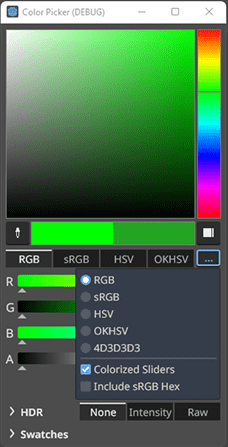
Room for more color models
An OKHSL color model
Challenges
Where the old picker fell short, and what stood in the way.
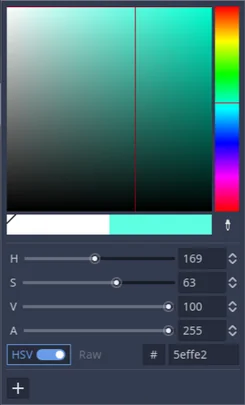
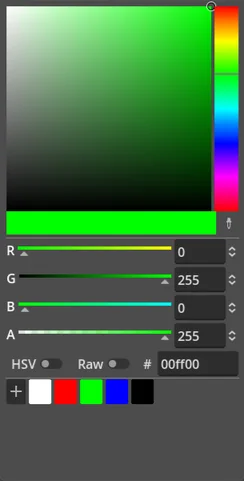
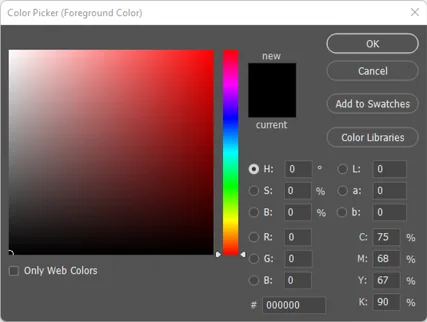
A minimal start
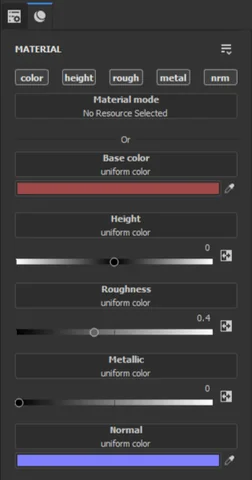
While the old picker was serviceable, there was a lot of room to modernize and enable creators.
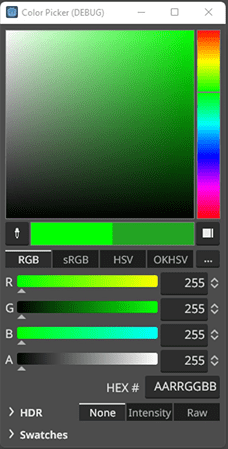
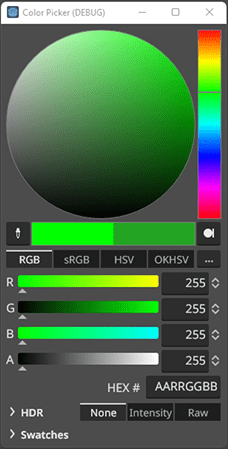
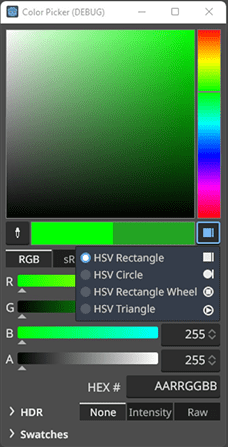
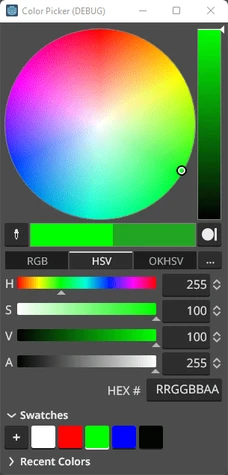
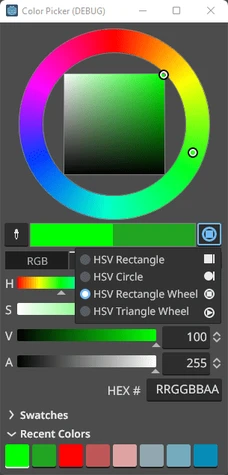
Picker shapes
The picker area at the top was functional, but newer approaches to HSV picking have grown in popularity and are easier to understand.
Ambitious features
OKHSL and HDR support aren’t easy additions, but the team felt they were important.
Solution
More picker shapes, more color models, room for HDR, and a compact layout.
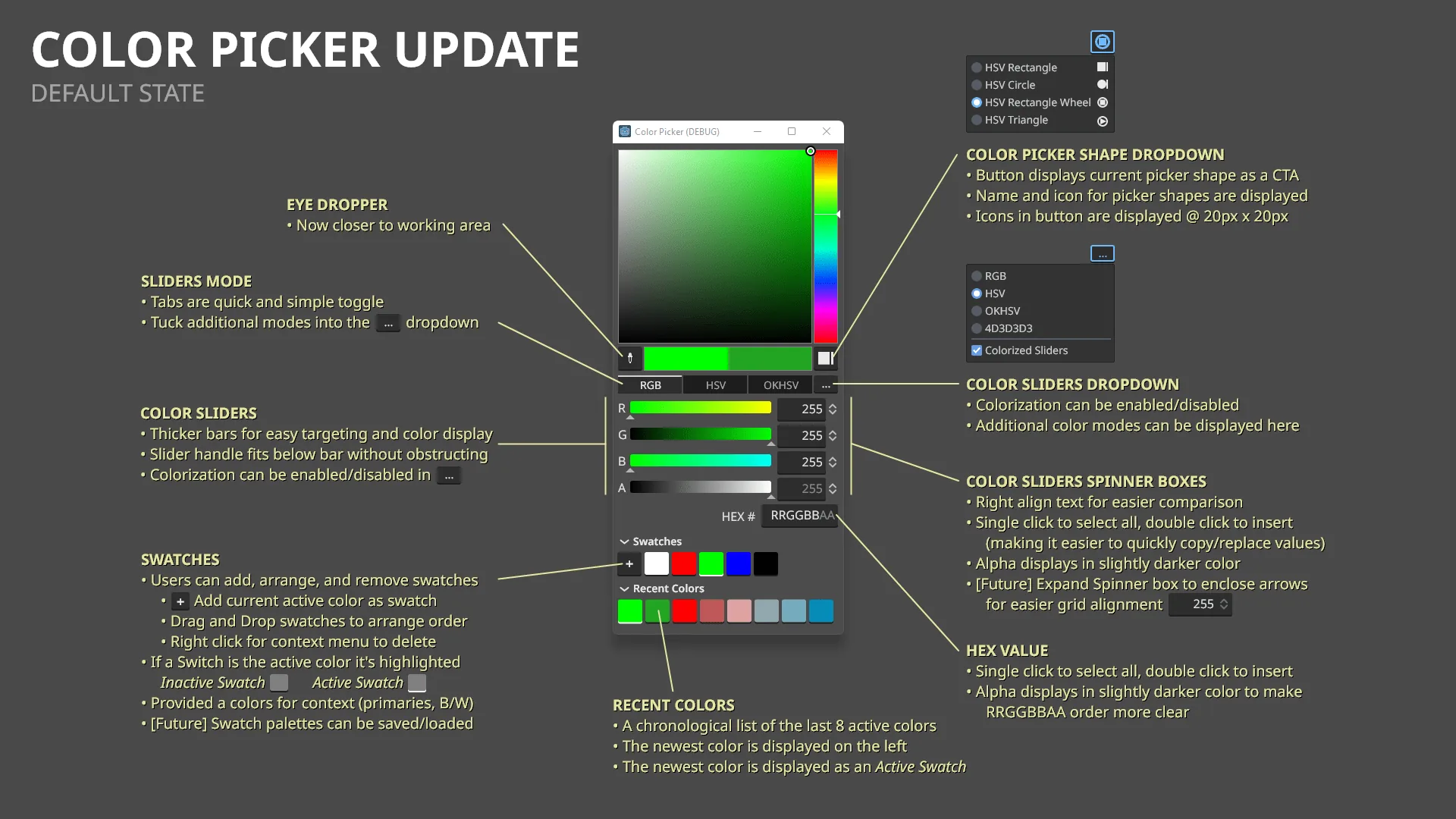
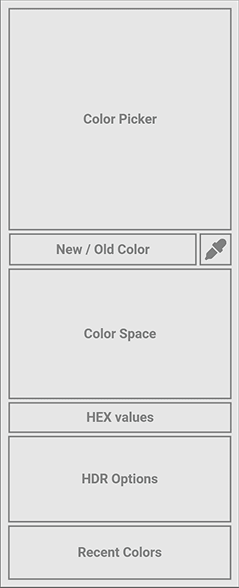
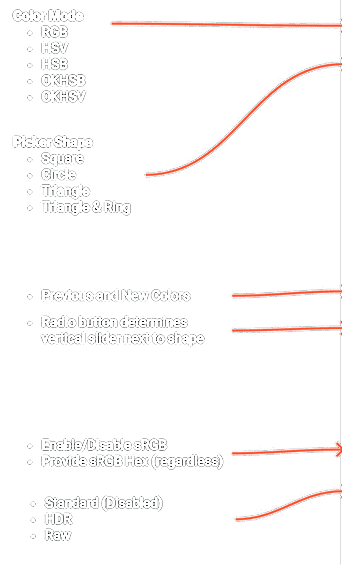
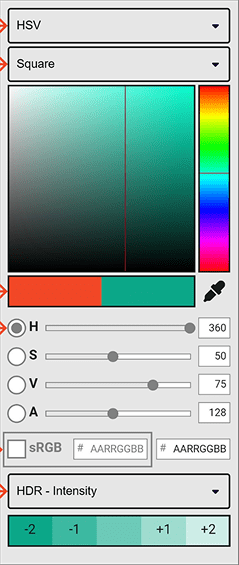
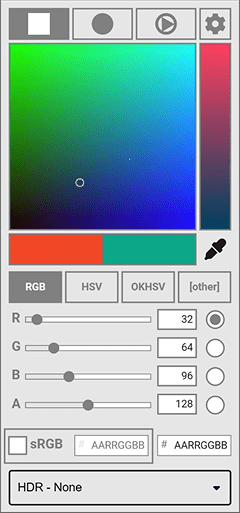
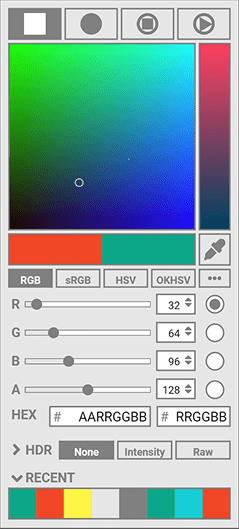
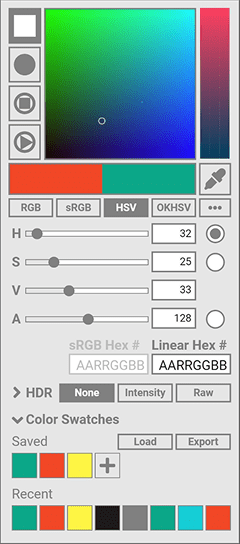
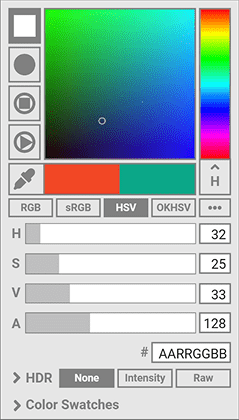
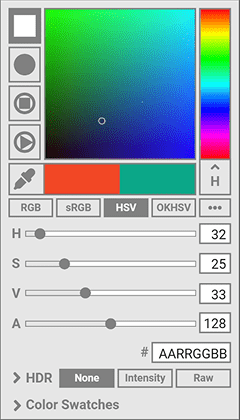
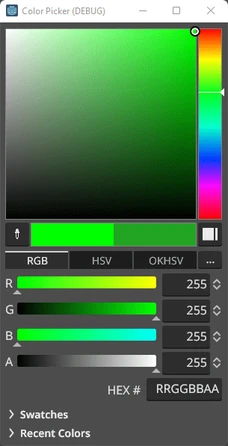
Default State
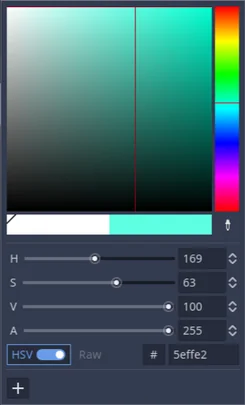
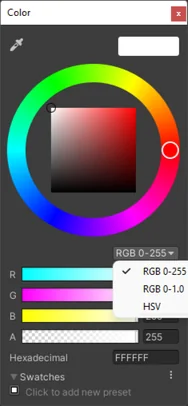
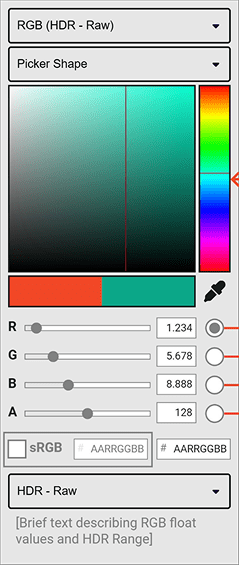
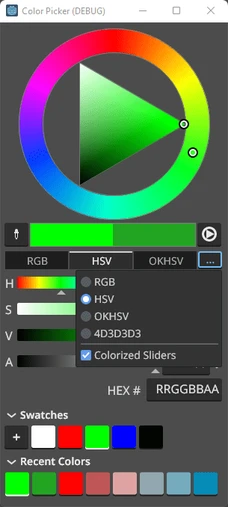
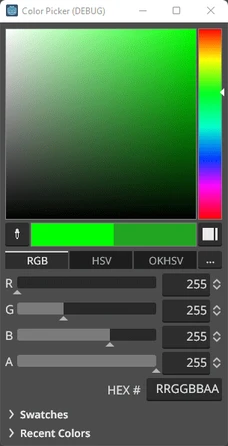
The updated design supports multiple color models and alpha control, leaves room for HDR values, and keeps a compact layout that works well across screen sizes.
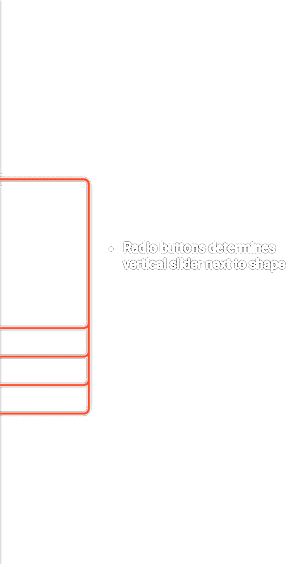
Dense by design: more packed than I’d normally make it, but the team liked having one annotated sheet to work from.
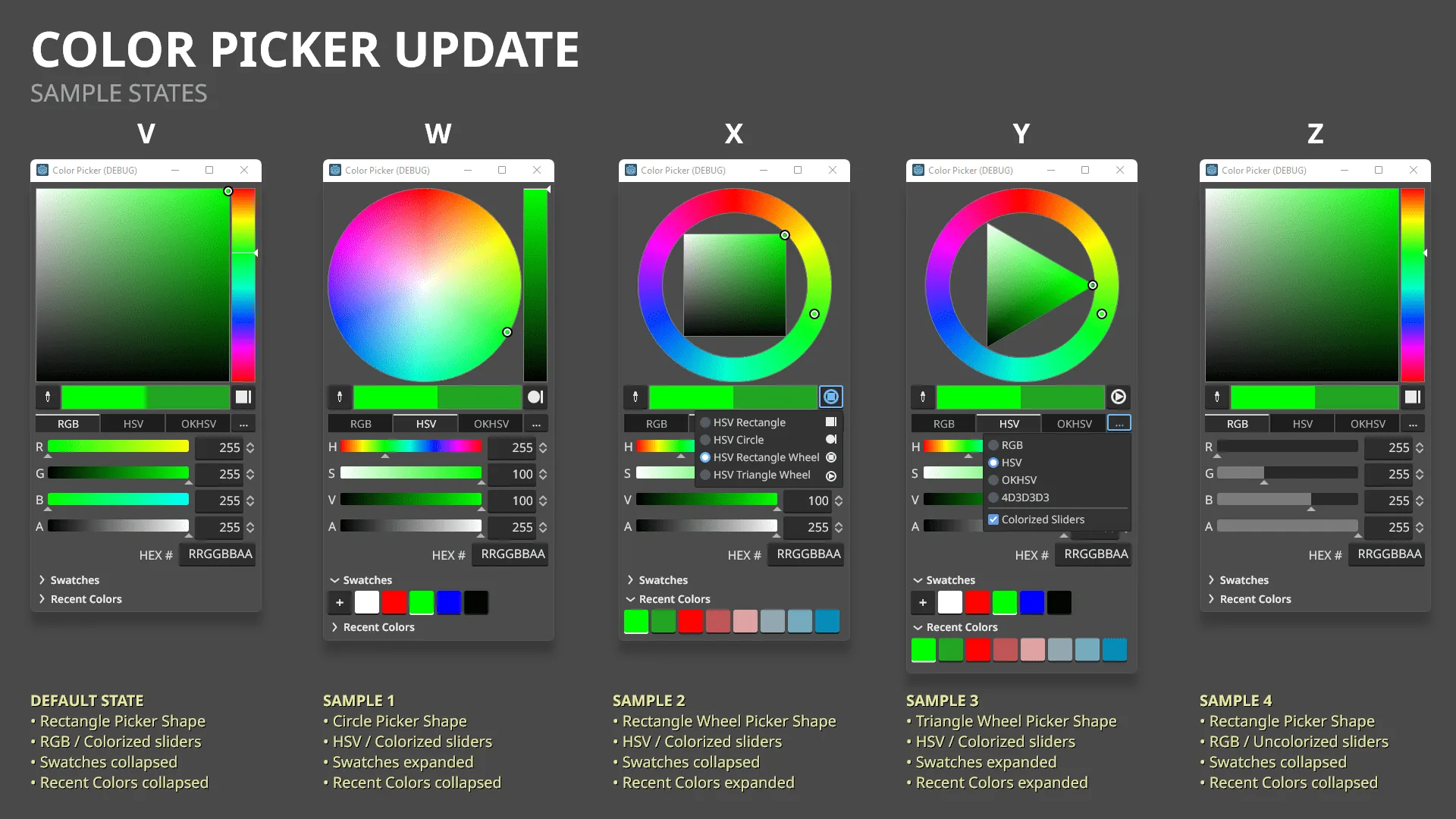
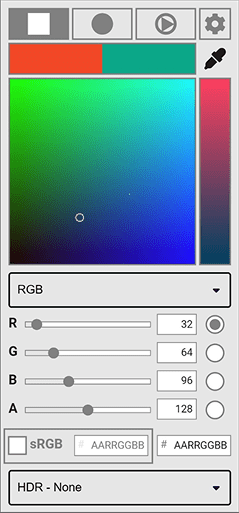
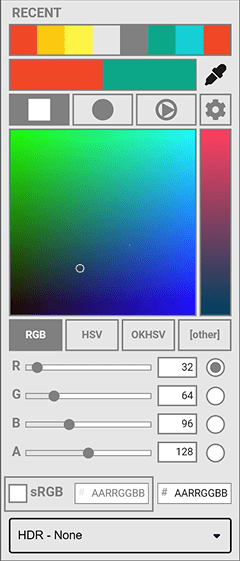
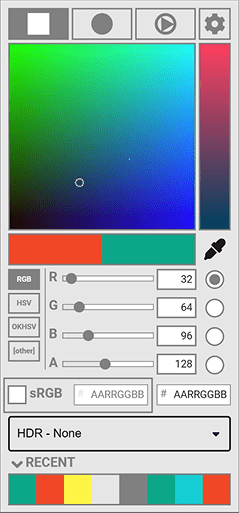
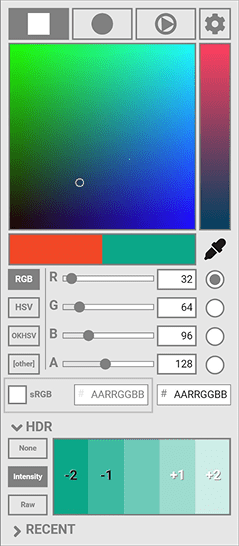
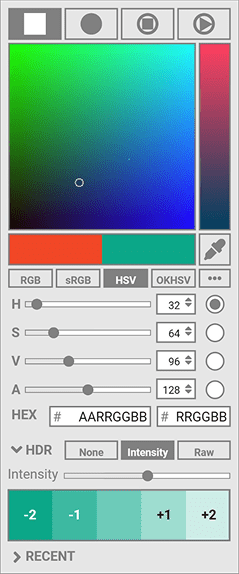
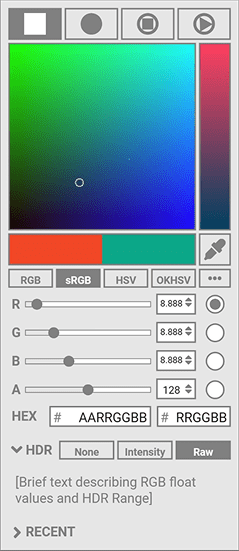
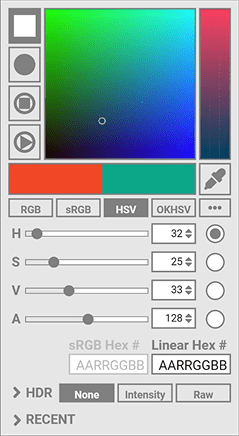
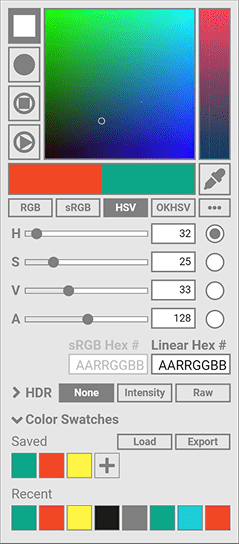
Sample States
It builds on the strengths of the previous version while improving usability and making room for more precise and expressive color work, whether you’re building tools, tuning shaders, or designing UI.
Process
Six rounds, 26 iterations, one versatile new picker.
Research
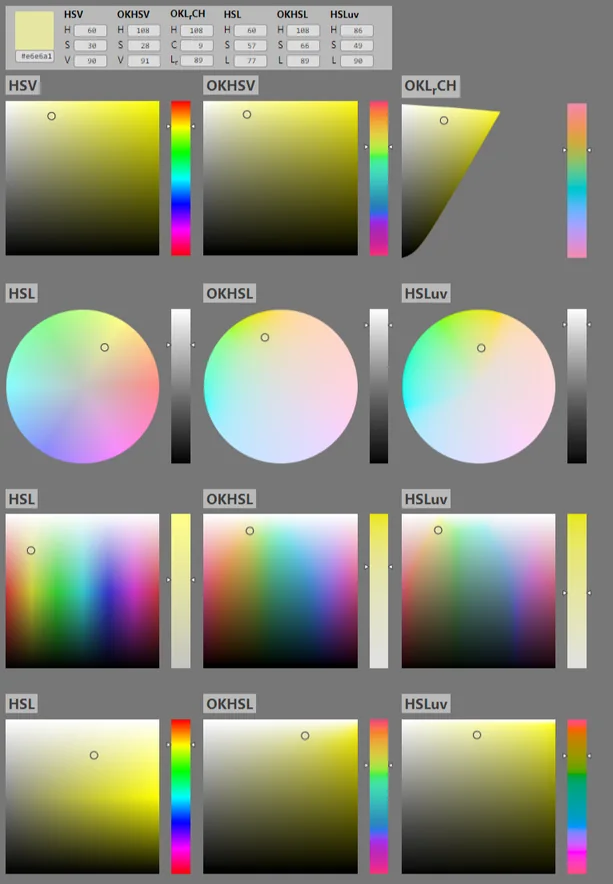
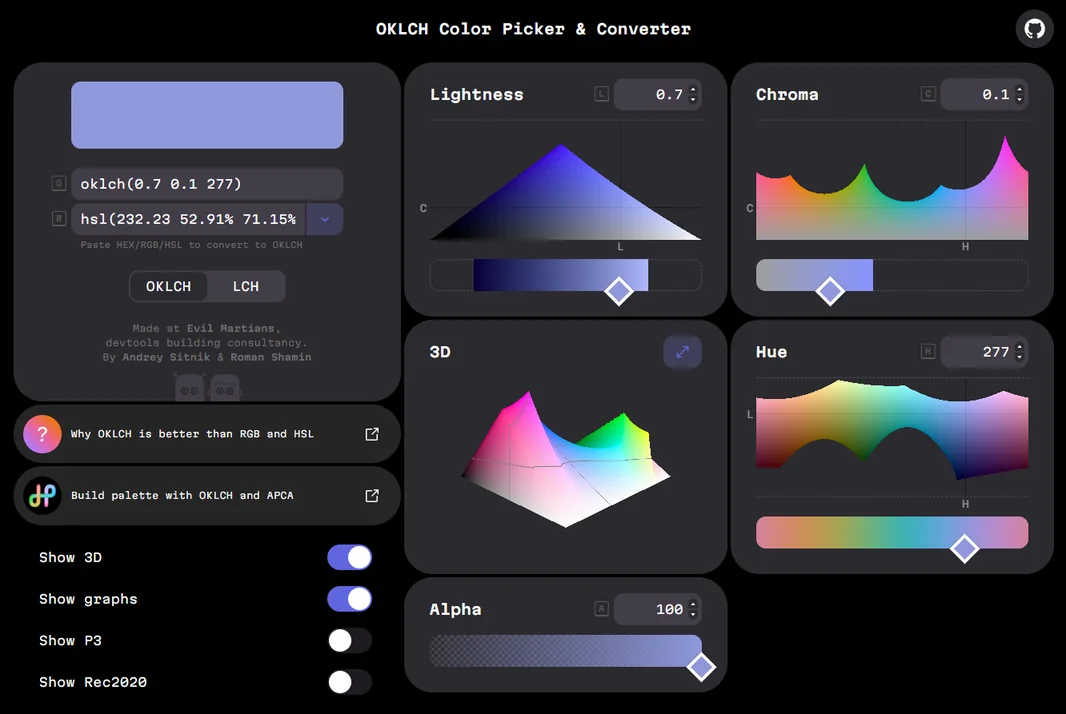
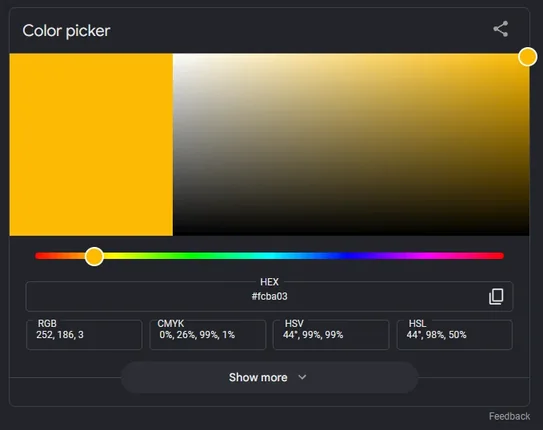
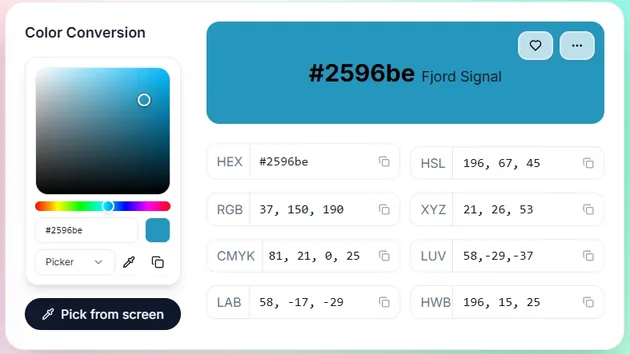
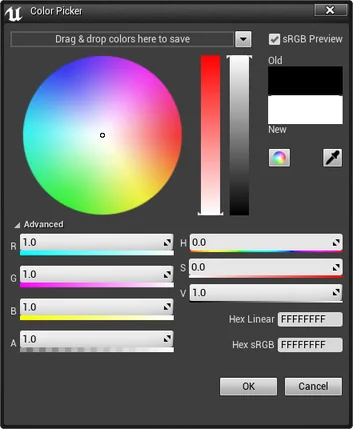
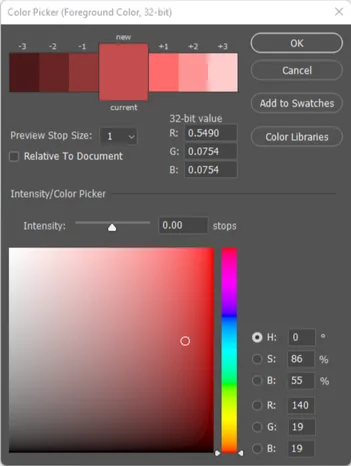
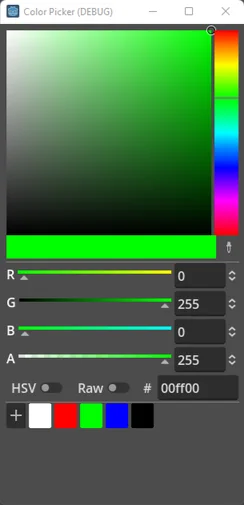
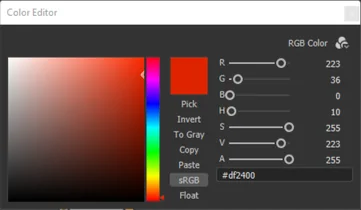
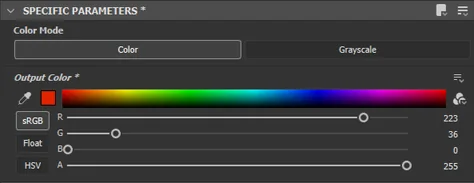
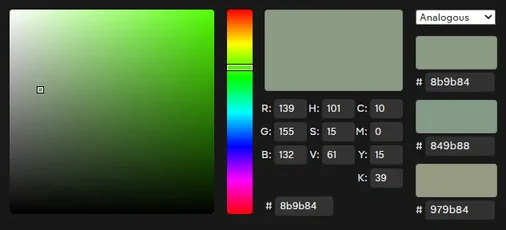
I did a survey of color pickers across creative tools, game engines, and online resources. Compiling notes into Miro I gave reports back to the team and we narrowed down to what we thought was important as our foundation.
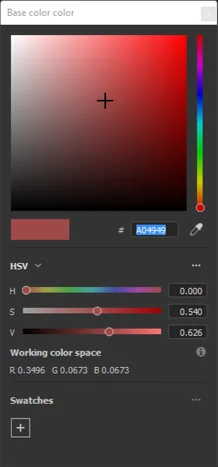
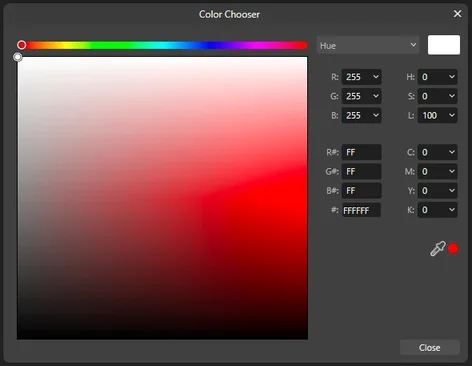
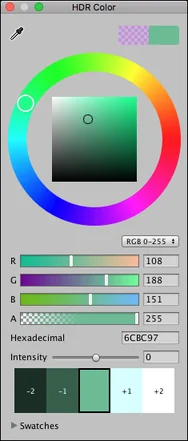
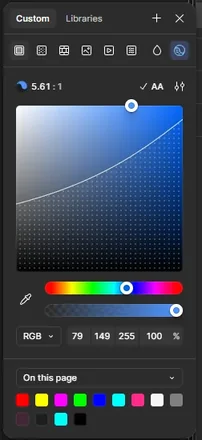
Various color pickers from my research.
Design Decisions
Build the foundation now; leave room for what’s next.
Picker shapes
People think about color in different ways, so we supported several shapes instead of just one.
Early adopters of OKHSL
We wanted to get ahead of OKHSL as a color model, so it shipped in 4.0 alongside RGB and HSV.
HDR pushed to backlog
We were interested in HDR, but it was out of scope for 4.0; the design left room for it, and it arrived in 4.5.
Iterations
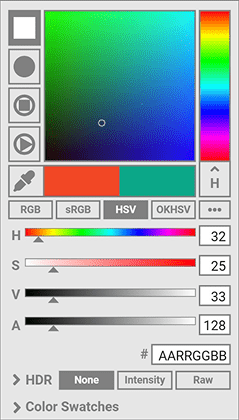
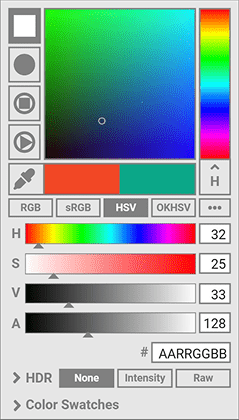
Six rounds took the design from broad strokes to granular implementation: early rounds settled the layout, later ones dial in each control.
Round 1
Round 2
Round 3
Round 4
Round 5
Round 6
Round 1
Round 2
Round 3
Round 4
Round 5
Round 6
Picker Shapes
Find the color picker that suits you.
Color pickers are a personal preference for artists, designers, and engineers alike, so we offered a range of shapes, each one click away.
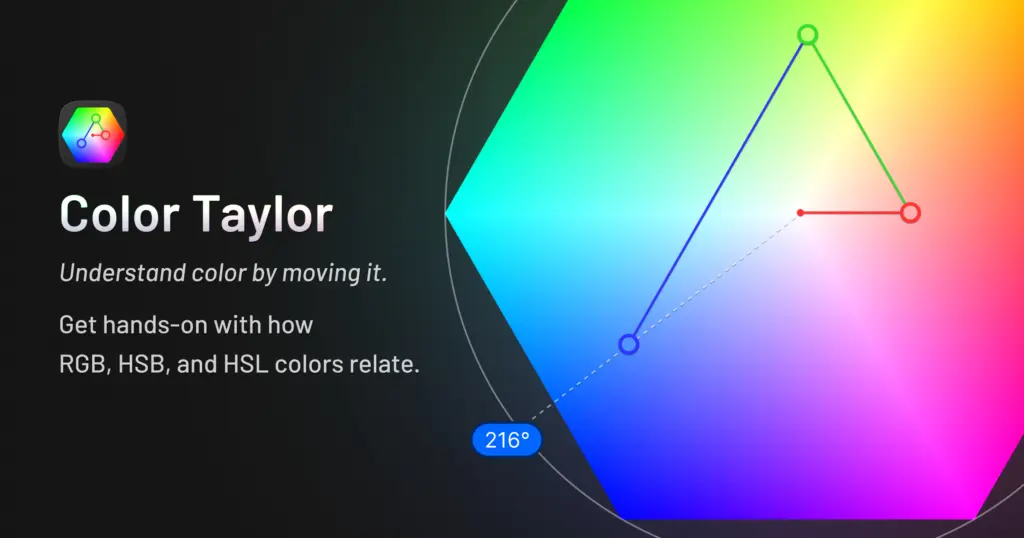
Exploring them planted the seed for my Color Taylor project, which is worth a look too.
Built by Vitika as a Google Summer of Code 2022 project (#62075 refactor, #62910 UX), mentored by Rémi Verschelde and Tomasz Chabora, from my wireframes. OKHSL came from K. S. Ernest (iFire) Lee (#59786).
On GitHub
My wireframes went on the Refactor ColorPicker proposal on April 14, 2022.The ColorPicker UX pull request, a Google Summer of Code 2022 project, credits them as its UX reference and was merged on October 7, 2022.
[Godot’s] rise to one of the fastest-growing projects on GitHub
GitHubGodot 4.0 Release Party
Godot 4.0 is an excellent upgrade
It’s FOSSon the 4.0 release
Switching to Godot and running the game was fast. I mean really really fast.
Casey YanoCo-creator of Slay the Spire 2
Since Godot 4.0
Nearly every Godot project reaches for the color picker somewhere: UI themes, materials, lights, shaders, environments. The picker shipped in Godot 4.0 and has been in every release since.
27.9Mdownloads and installs, across GitHub, Google Play, Steam and Flathub
Where they come from
24.5M GitHub downloads of Godot 4, every release and preview since 4.0
1.8M Google Play installs of the Android editor
1.2M Steam installs, all versions
383k Flathub installs on Linux, all versions
Steam and Google Play to February 2026, from the Godot Foundation growth report; Flathub to September 2026. GitHub counts every download, repeats included; the stores count people. Steam and Flathub include versions before 4.0.
118kstars on the Godot repository
47%of GMTK Game Jam 2026 entries, up from 12% in 2020
Godot went from 12% to 47%!GMTK Game Jam entries by engine
SourcesGMTK Game Jam organizers, 2022 to 2025 and 2026; 2020 and 2021 as compiled in arXiv:2401.01909; downloads and stars from GitHub (godot and godot-builds), September 2026. Store installs (Google Play, Steam and Flathub) and their sources are under the ? on the downloads card. Godot logo by Andrea Calabró, CC BY 4.0.
Show as a table
Jam
Games
Godot
Engine A
Engine B
Engine C
Other engines
2020
not reported
12%
62%
11%
not reported
15%
2021
not reported
13%
62%
9%
not reported
16%
2022
6,078
16% (950)
61% (3,716)
6% (377)
not reported
17% (1,035)
2023
6,835
19% (1,278)
59% (4,062)
5% (363)
not reported
17% (1,132)
2024
7,711
37% (2,838)
43% (3,324)
5% (389)
5% (383)
10% (777)
2025
9,724
39% (3,765)
41% (3,960)
5% (487)
4% (439)
11% (1,073)
2026
10,511
47% (4,900)
34% (3,600)
5% (498)
3% (319)
11% (1,194)
Shares with game counts in brackets. GMTK began listing Engine C separately in 2024 and publishing game counts in 2022. Other engines is what remains after the named engines. The 2026 counts for Godot and Engine A are rounded in the source.
Hits made with Godot 4
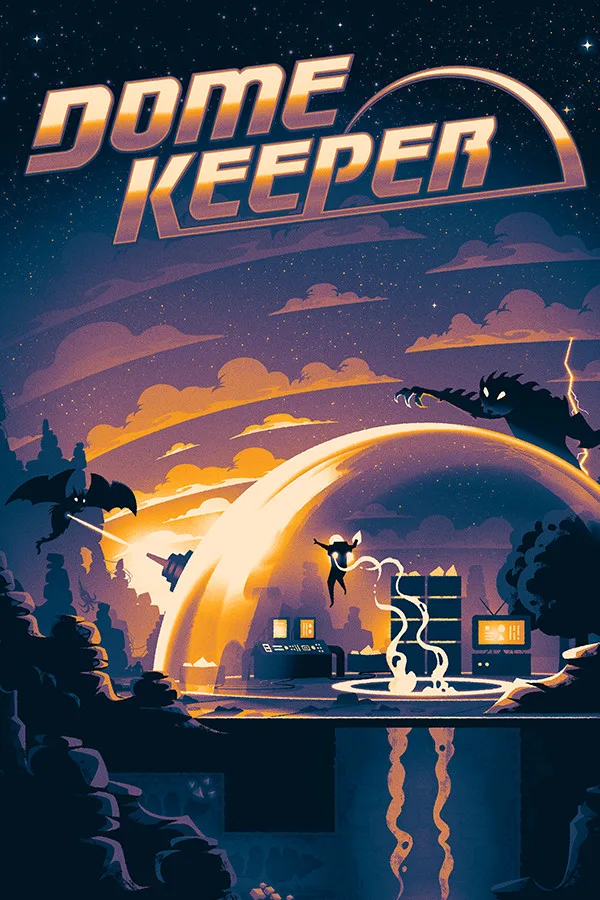
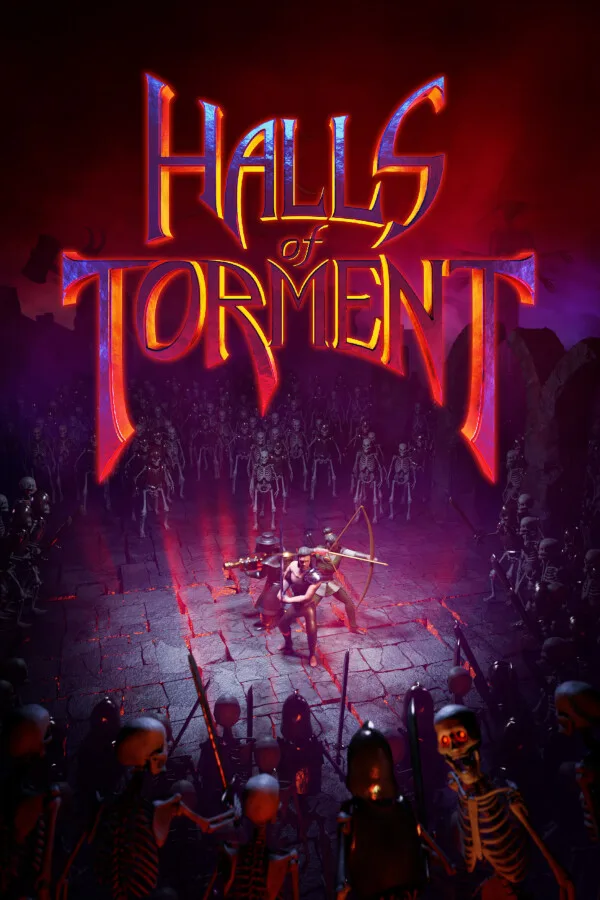
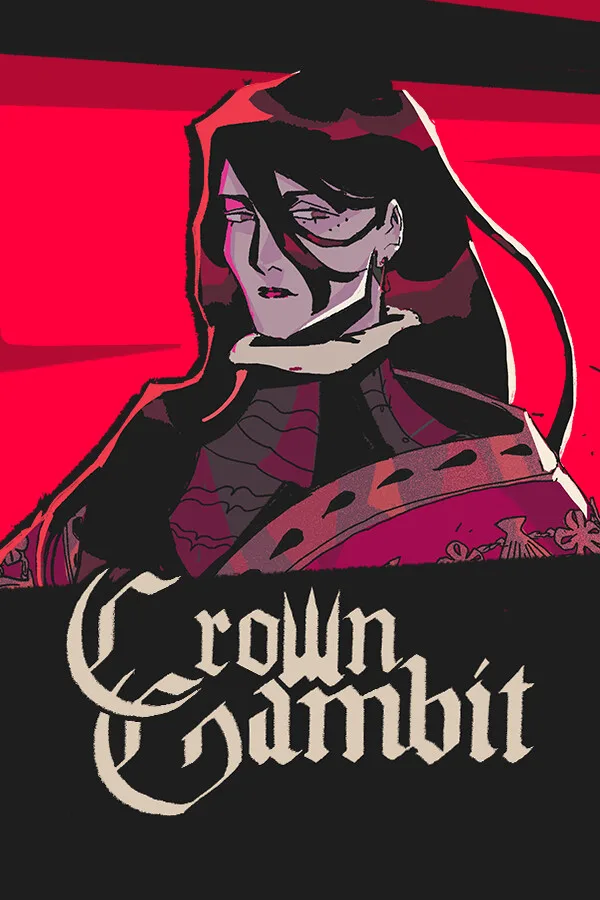
8 millionsold on PC, December 2025Buckshot Roulette Mike KlubnikaSource3 millionsold in early access, March 2026Slay the Spire 2 Mega CritSource1.4 millionsold, August 2025Dome Keeper BippinbitsSource1 millionsold on Steam, October 2024Halls of Torment Chasing CarrotsSource82MetascoreCrown Gambit Wild WitsSource
Takeaways
1
Open source
Working on open source is fun and exciting.
2
Color models
I love color models and working in this niche between tech, art, and math.
3
Tools for creators
I love working on tools that enable creators.
This project inspired:
Color Taylor
A color picker that shows how color models move together.