Rockstar Games
Worked as a UI Programmer at Rockstar San Diego during the development of GTAV, contributing to features like the pause menu, scoreboard, in-game websites, and over 15 minigames. Used Scaleform and RAGEScript to ensure consistency and polish across systems. Collaborated with teams across multiple studios to help deliver a cohesive experience in a massive open-world game.
Grand Theft Auto V is Rockstar’s open-world crime epic, set in a sprawling version of Los Santos and its surrounding countryside. It blends story-driven missions, dynamic systems, and player-driven chaos across a richly detailed single-player and online experience.

Minigames
Overview
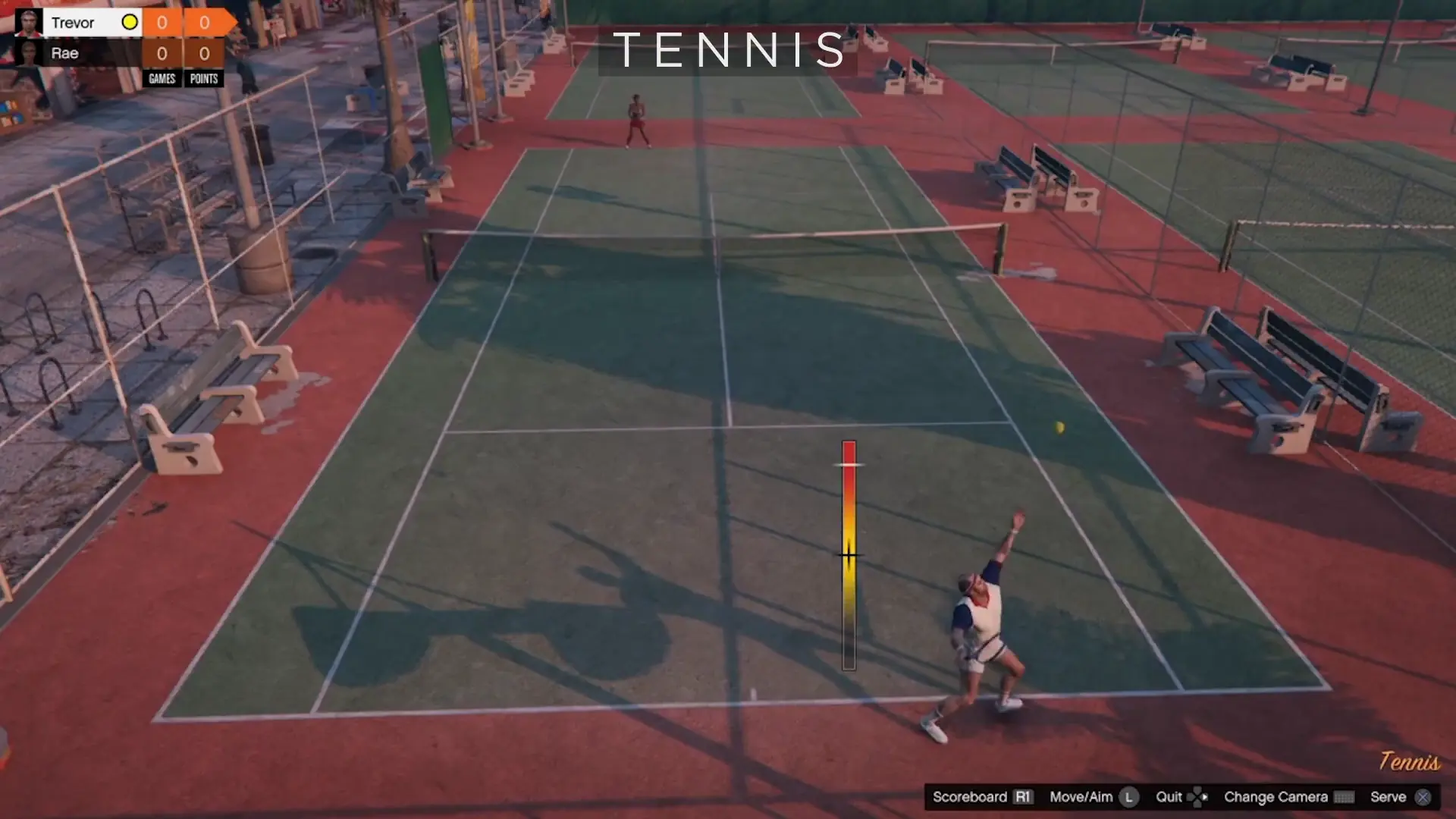
GTA V’s world is packed with interactive side activities that offer variety, humor, and depth. I developed UI for over a dozen of these minigames, including Golf, Tennis, Yoga, the Shooting Range, Flight School, and Stunt Plane Races. Each system had its own mechanics and visual language, but I worked to unify them through consistent input schemes and design patterns, ensuring they felt connected to the broader experience of Los Santos.
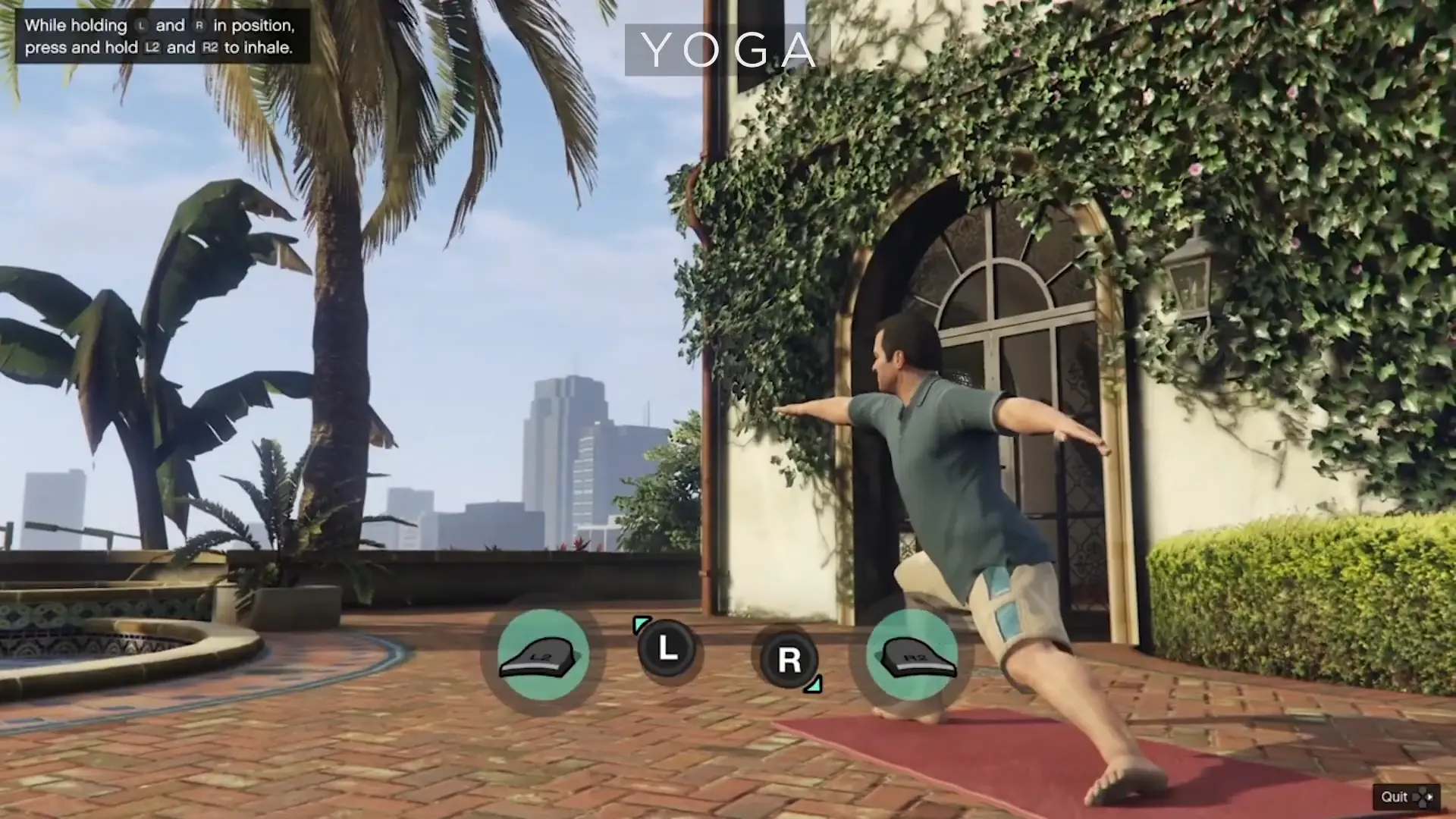
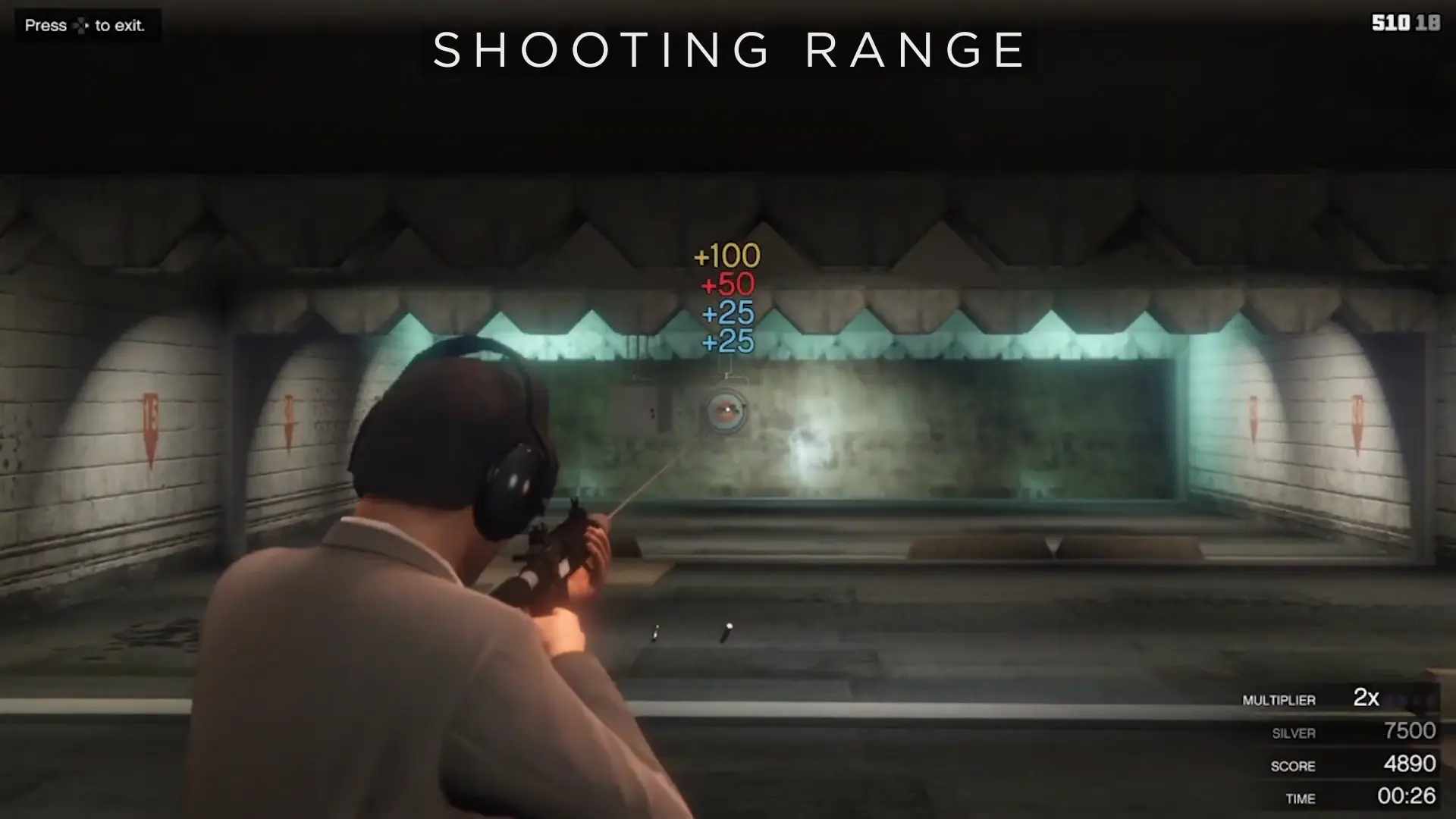
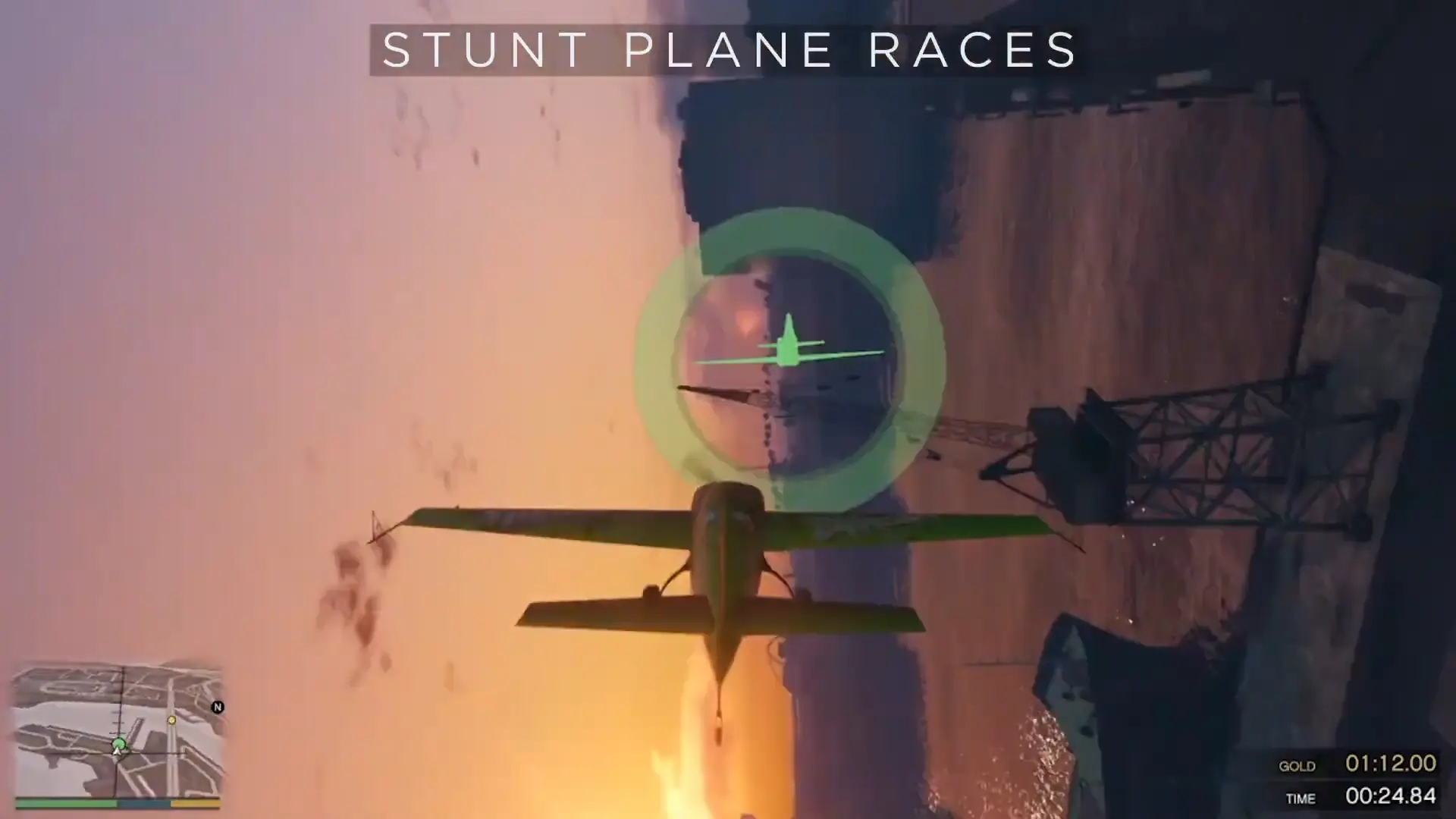
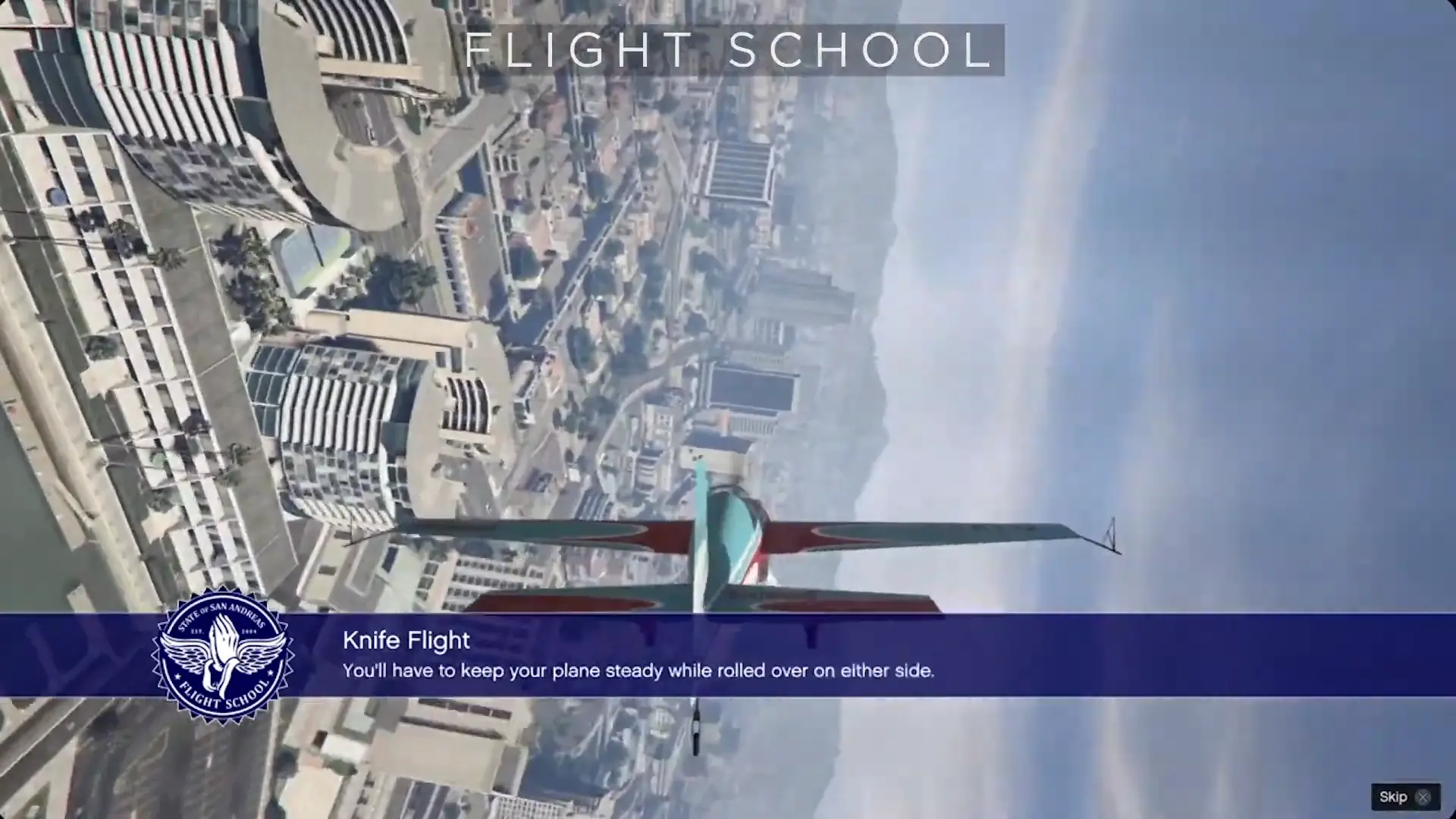
Golf: A Closer Look
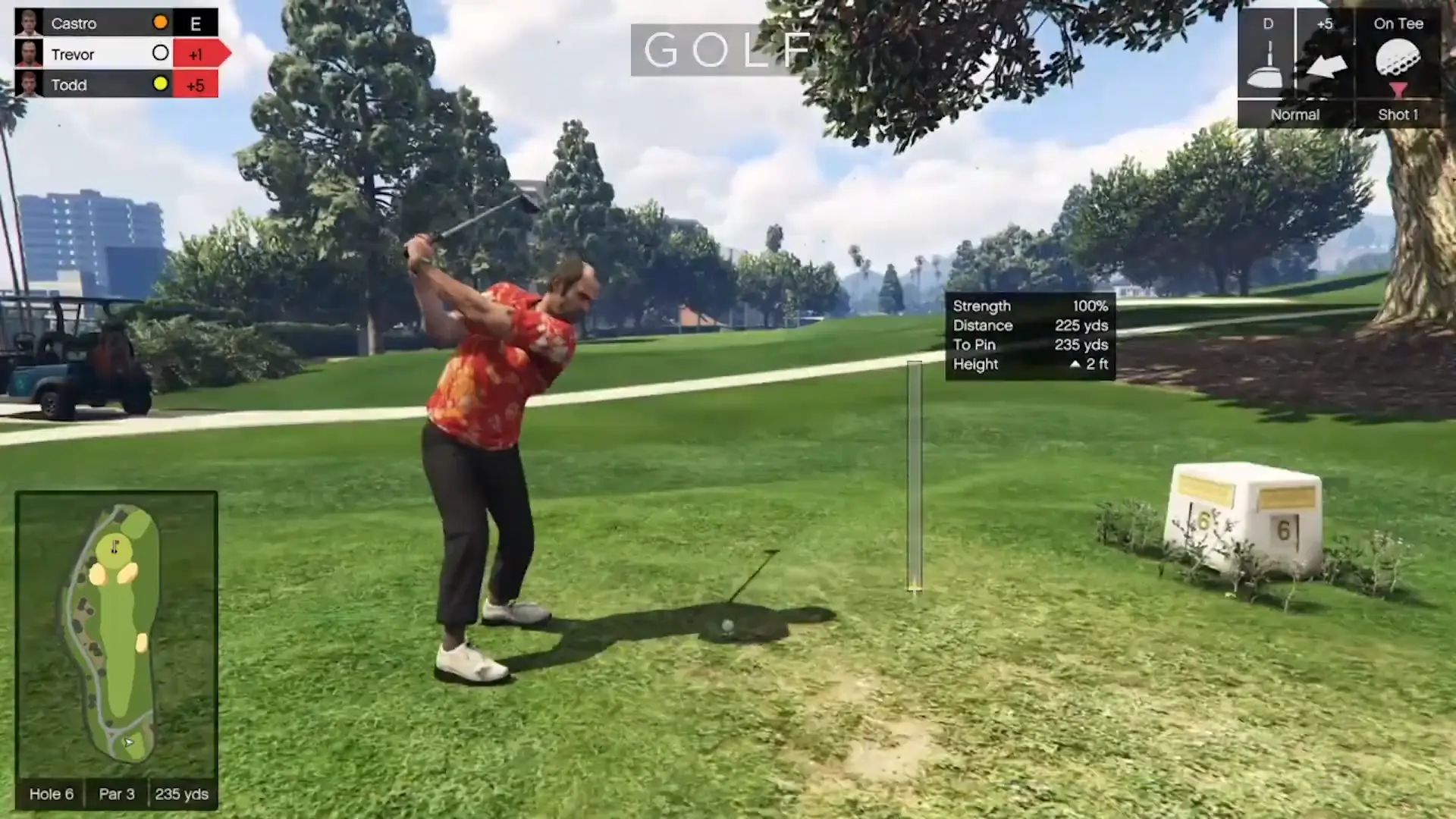
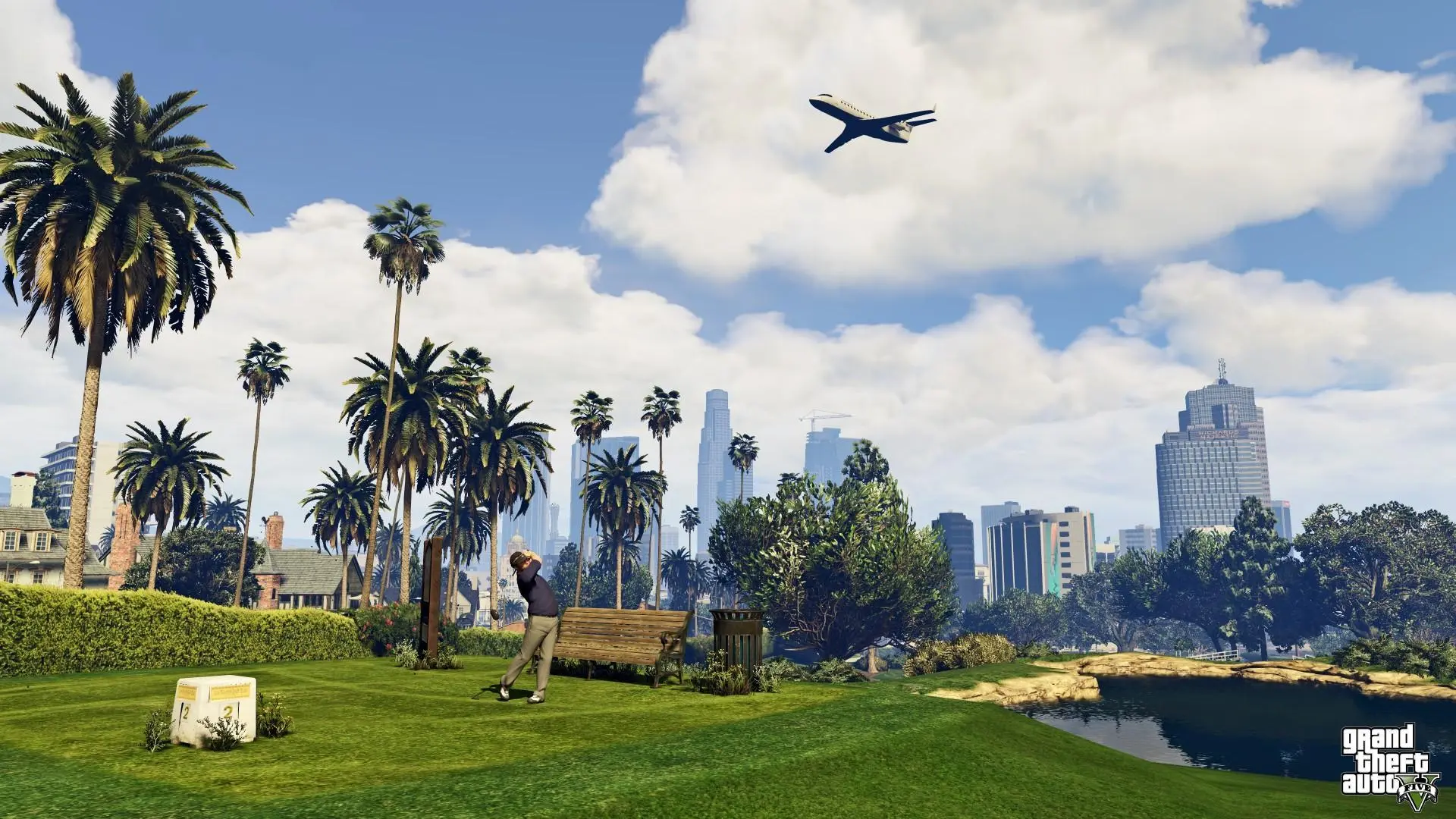
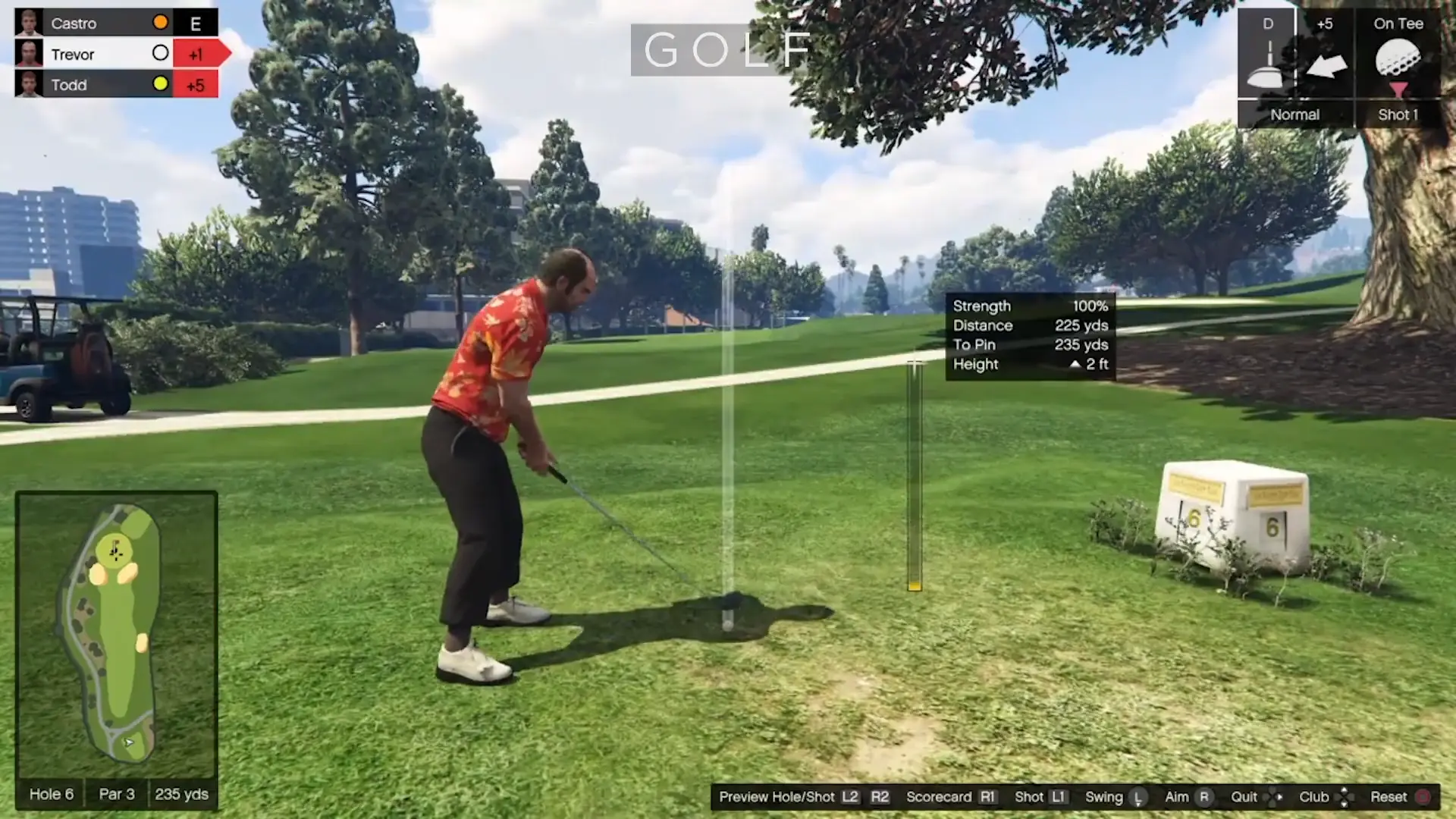
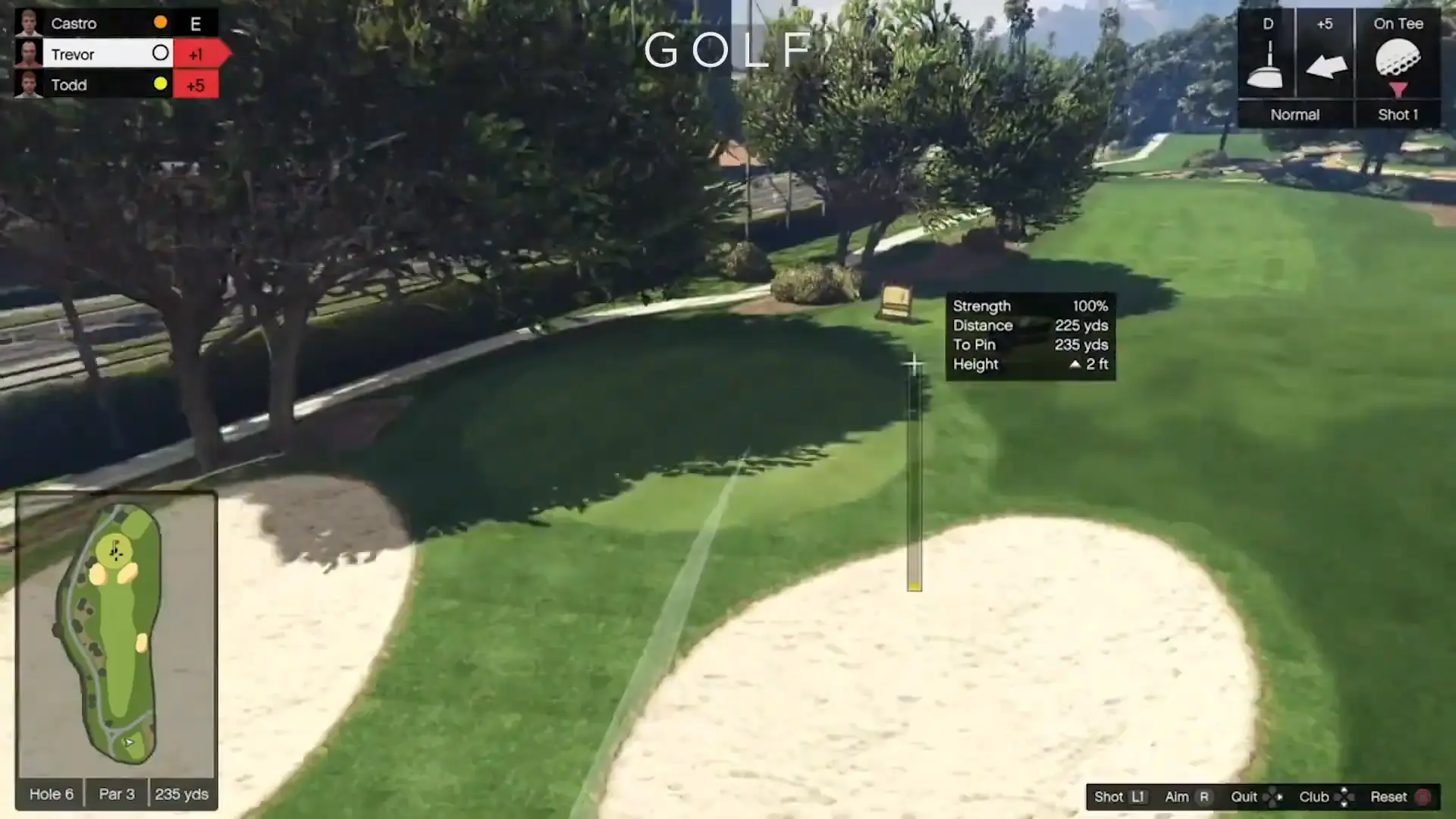
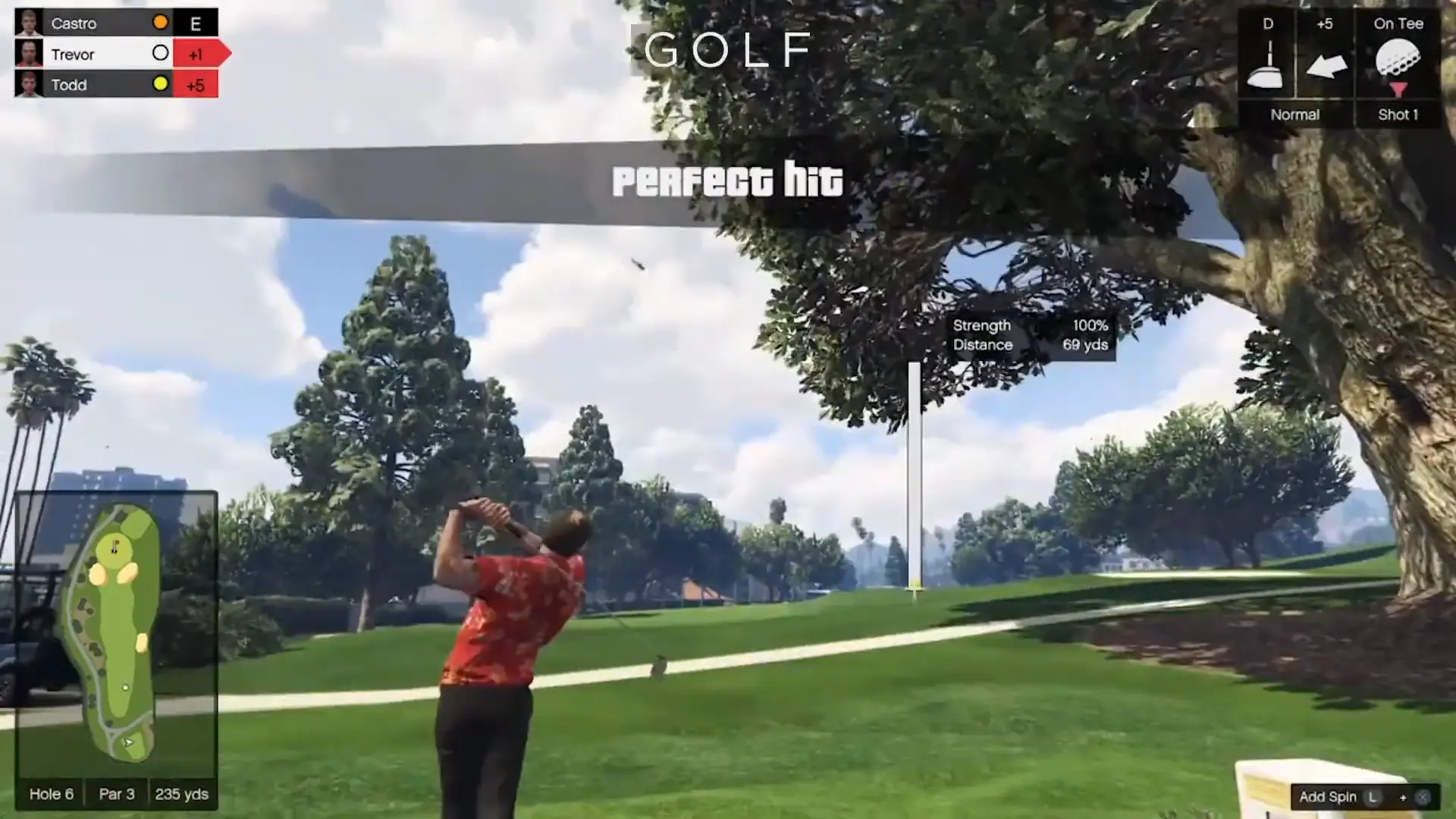
Adding a 9-hole golf course to the heart of Los Santos was one of the most complex minigames in GTA V. I implemented a custom UI flow to support every stage of play: player selection, club choice, shot pre-visualization, power meter, and scoring.
The pre-shot HUD carries a lot at once: hole and par, a minimap with the pin, the other players and their scores, wind and club, and the strength and distance readout. The preview camera then flies the line of the shot, so the bunker and the green are readable before anyone commits. Contact gives the result straight away, with a prompt to add spin.
Reading the Green
Putting needed its own read. A grid projects onto the green to show the slope, and the strength and distance panel carries over from the full swing so the inputs stay familiar. The payoff is on the character, not the HUD.
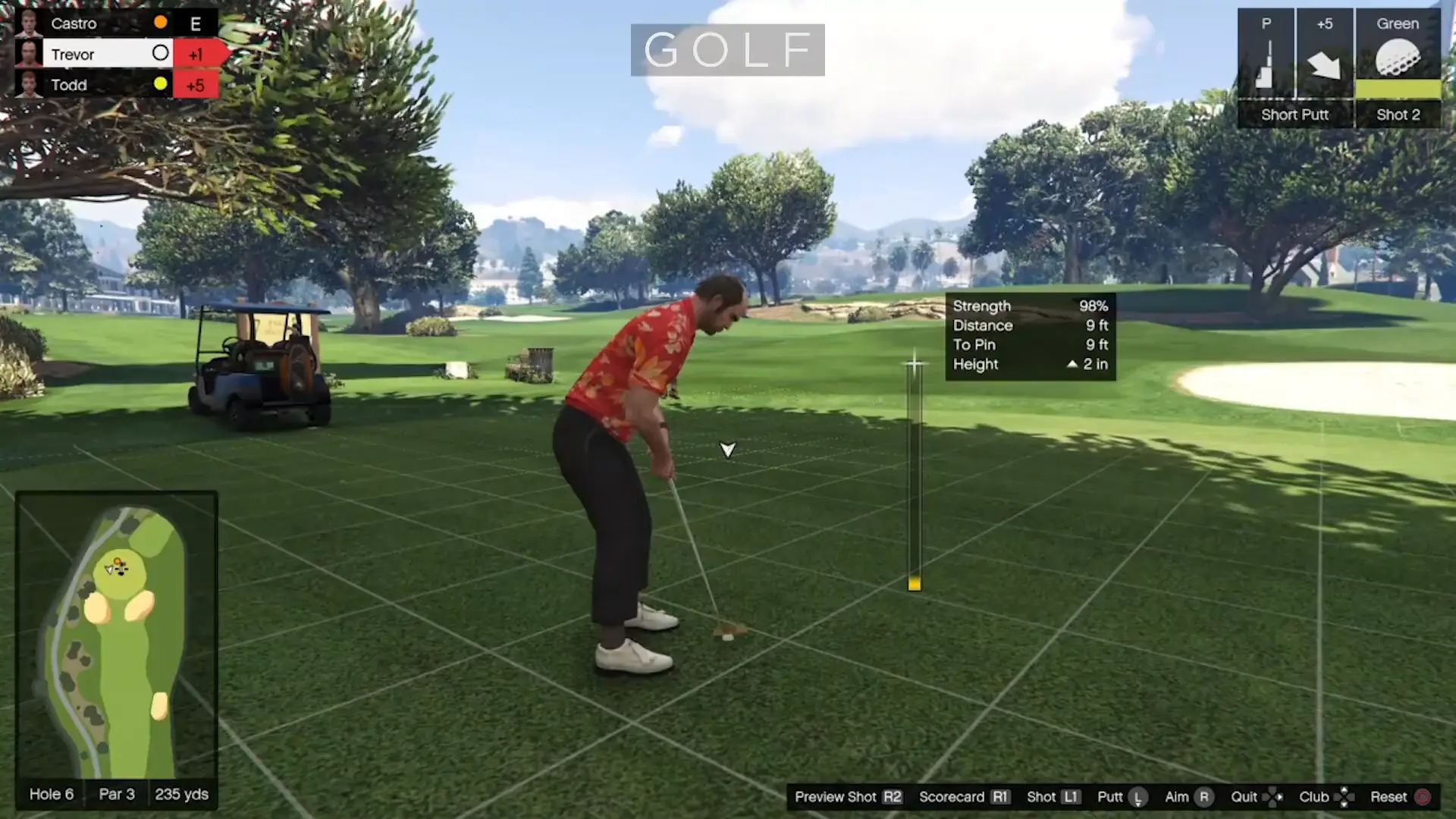
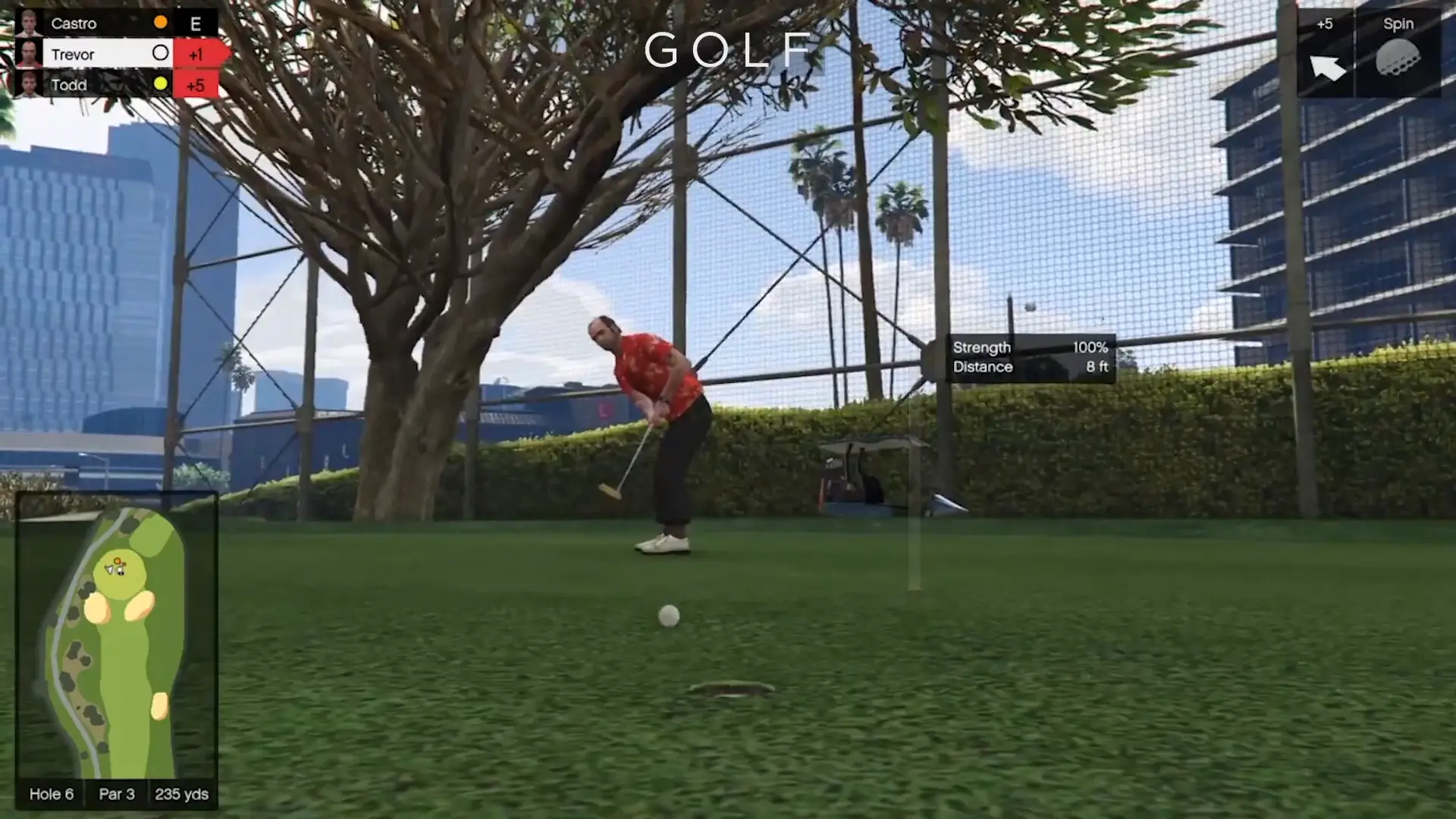
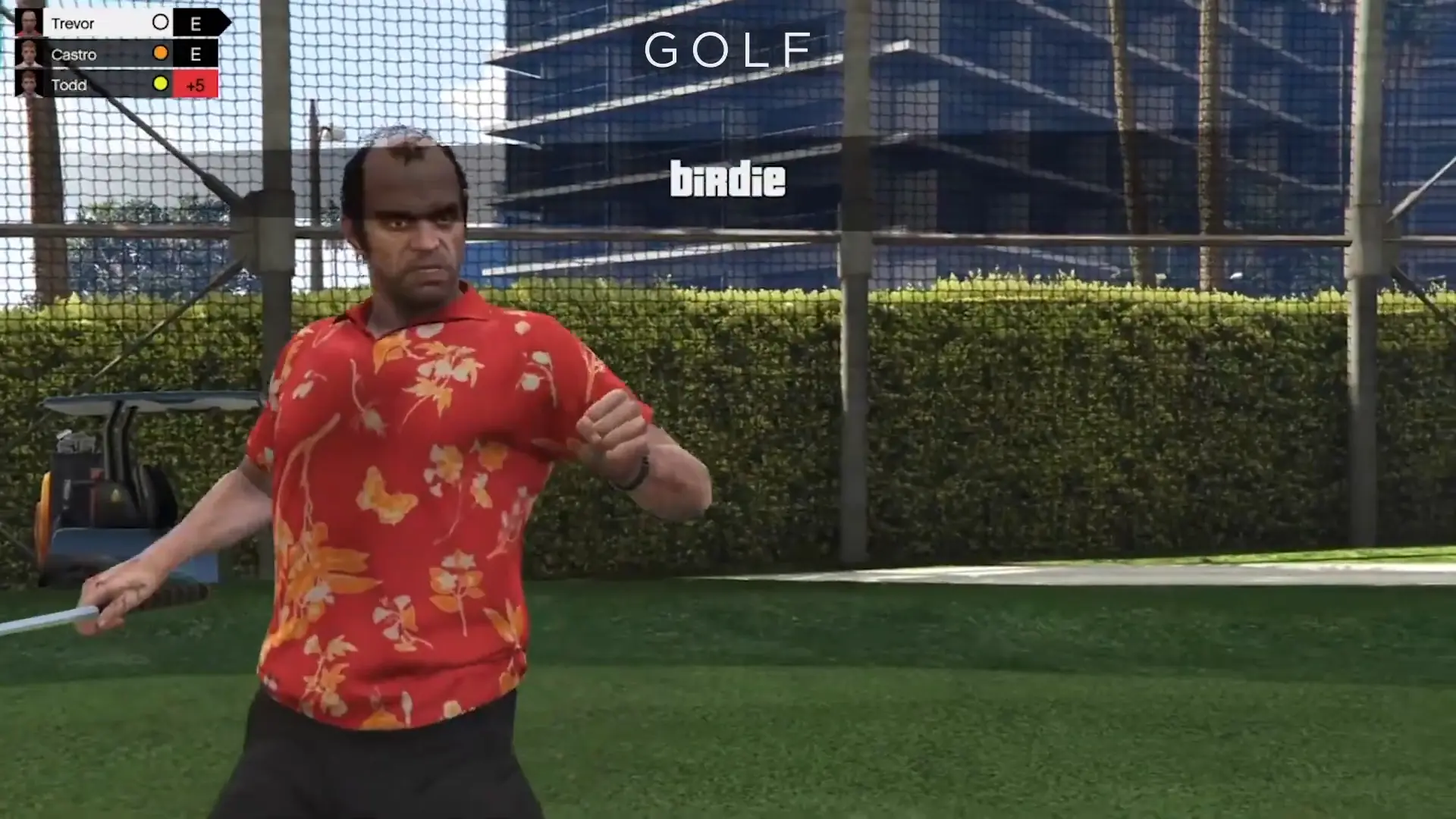
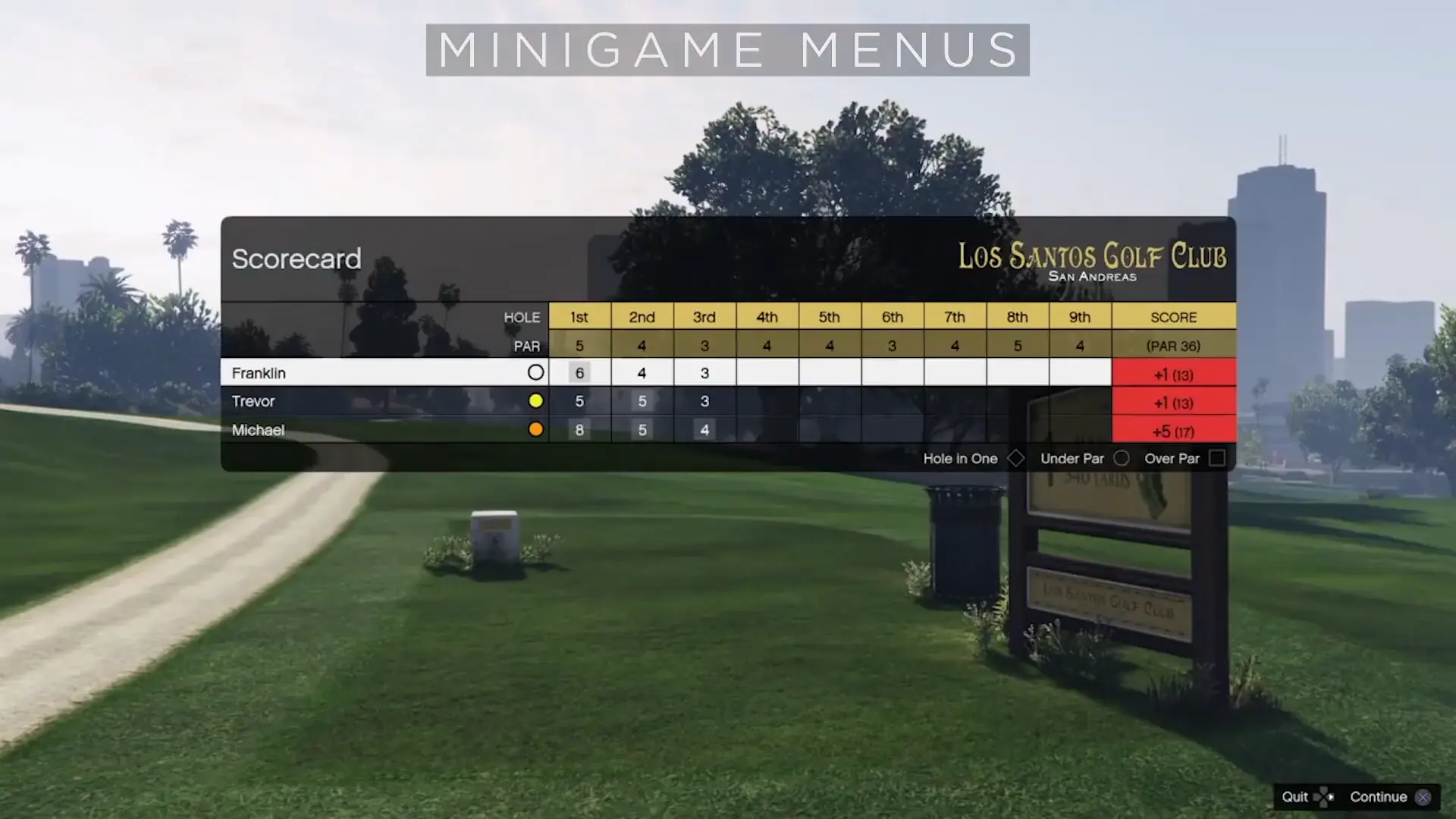
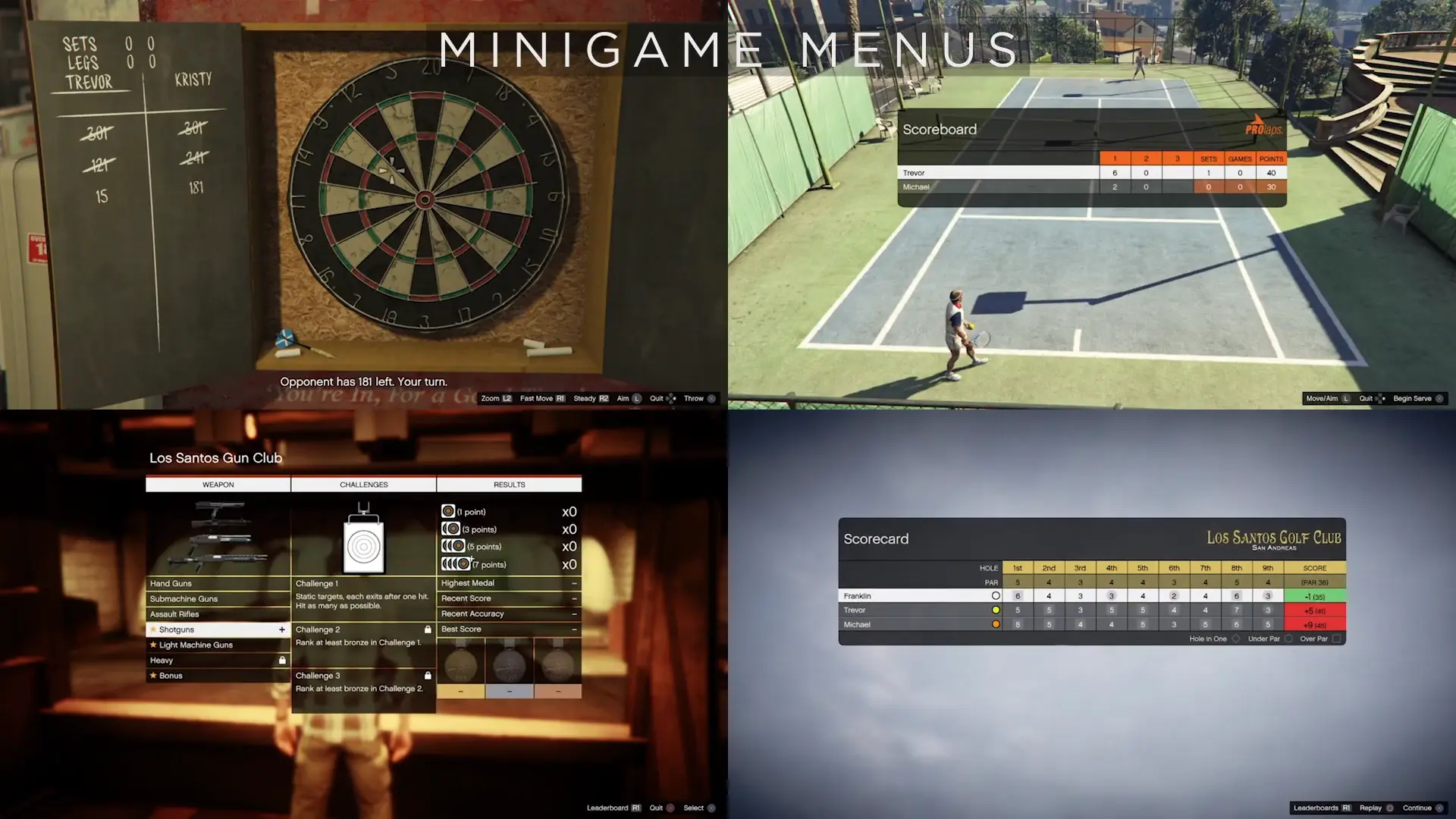
Golf needed a scorecard first: every player across nine holes, par, under, over, hole in one. Building that one properly is what turned it into a system.
Scoreboards
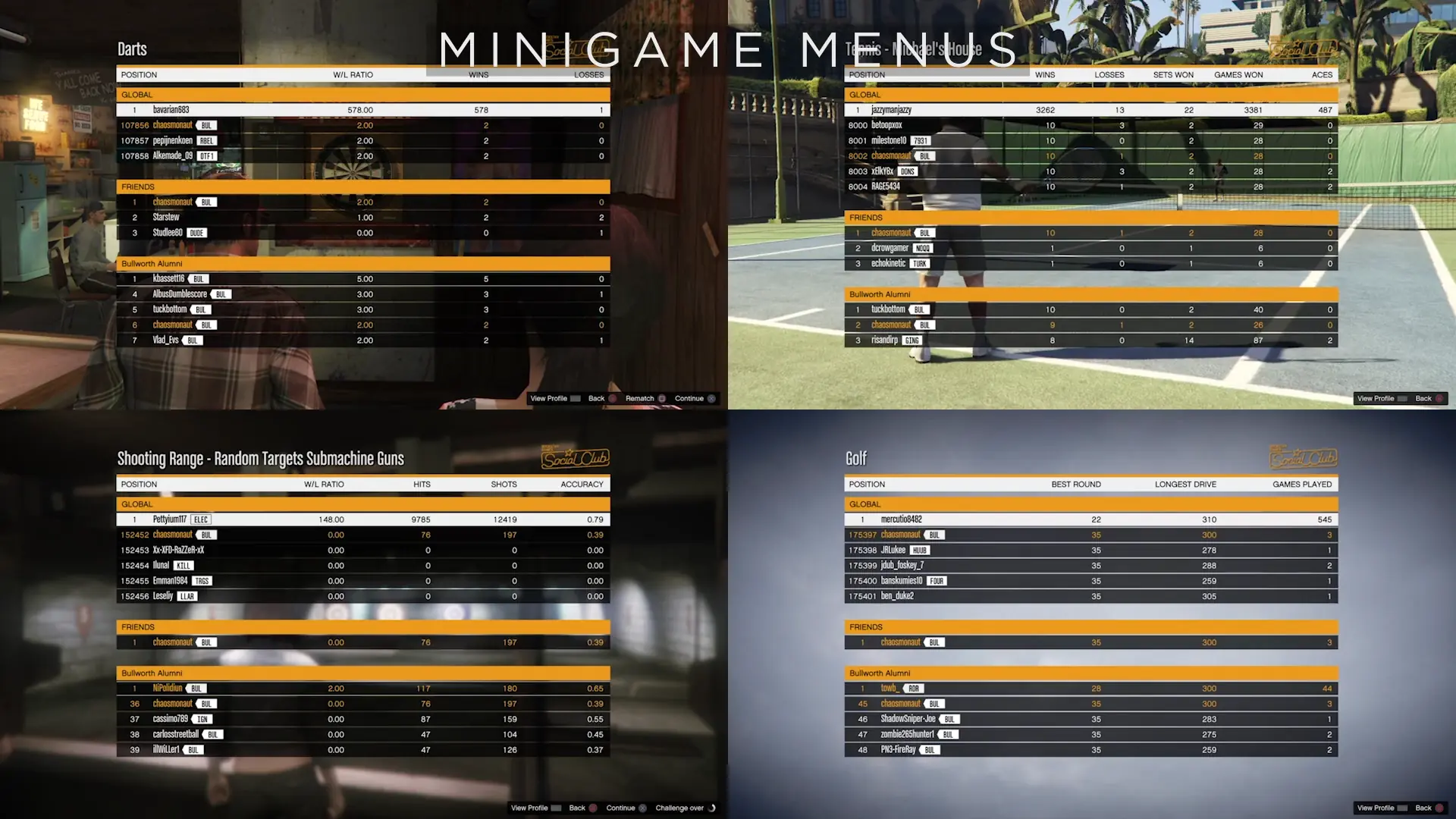
I architected the flexible scoreboard system that went on to power all of GTA V’s minigames. It supported round-based, time-based and score-based game types, with reusable components that let designers configure layout, ordering and scoring rules. The same system became a foundation for GTA Online’s competitive modes, and it remains in use today, handling millions of sessions across one of the most active live-service games in history.
GTA Online
A Multiplayer Los Santos
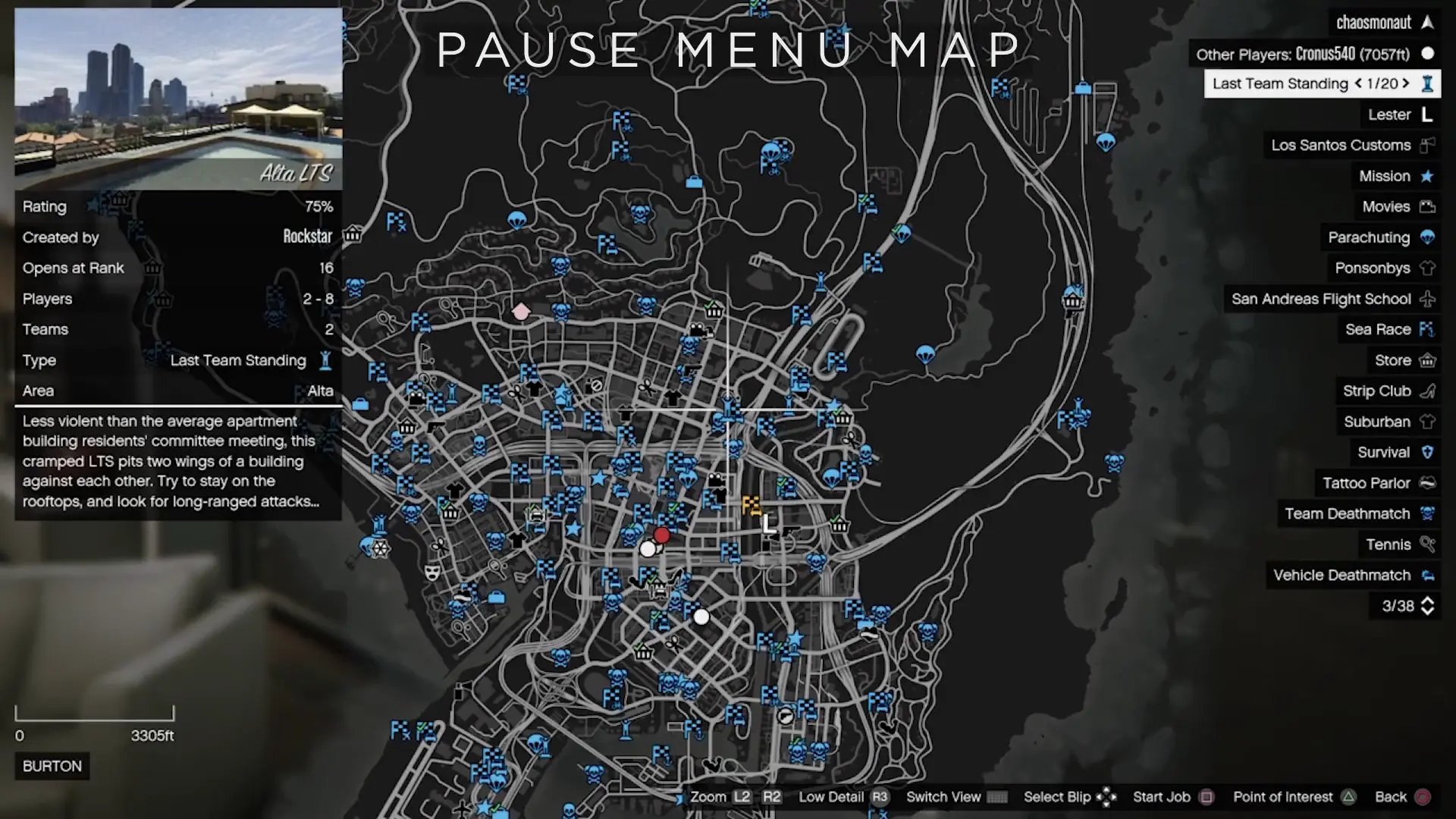
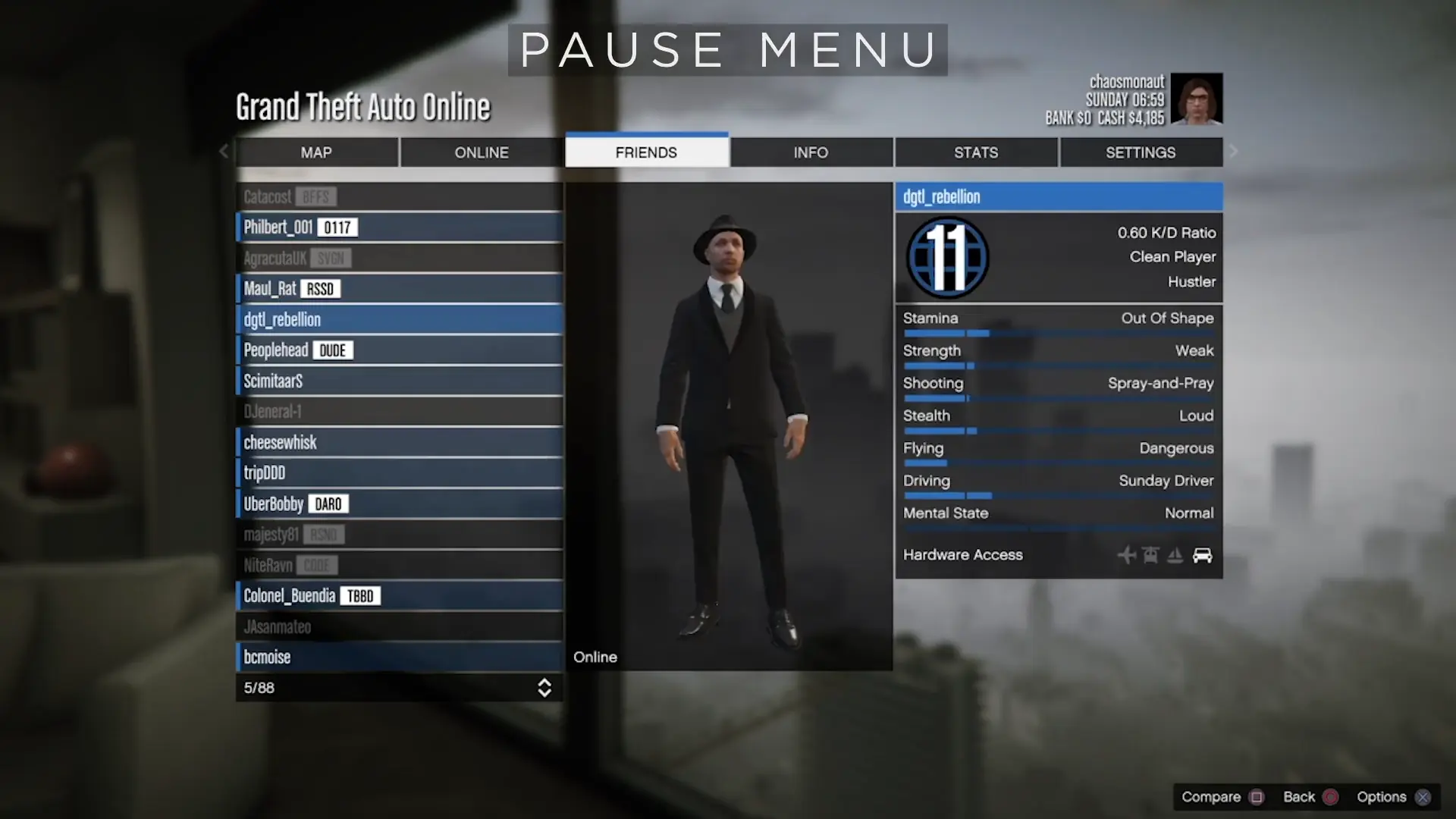
GTA Online launched shortly after GTA V and grew into one of the most successful live-service games ever. Its systems required UI to support matchmaking, player interaction, and fast access to content across a constantly evolving online world.
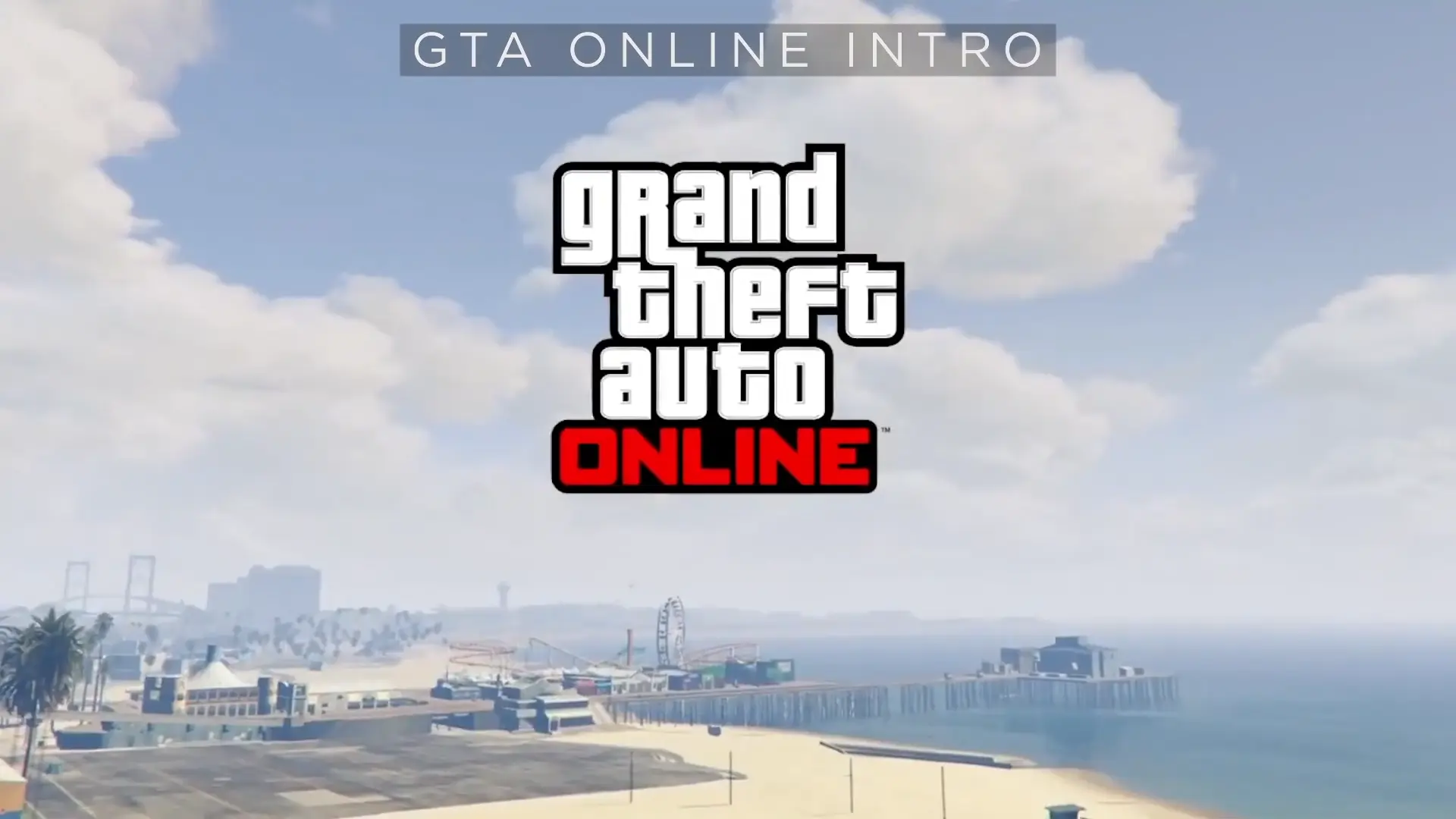
I also created the intro logo animation that plays as each new character enters the world. We iterated on many treatments along the way, but ultimately chose one of the simplest options. That decision helped it load quickly, age well, and maintain a clean identity through years of updates.
Accessibility
Localization
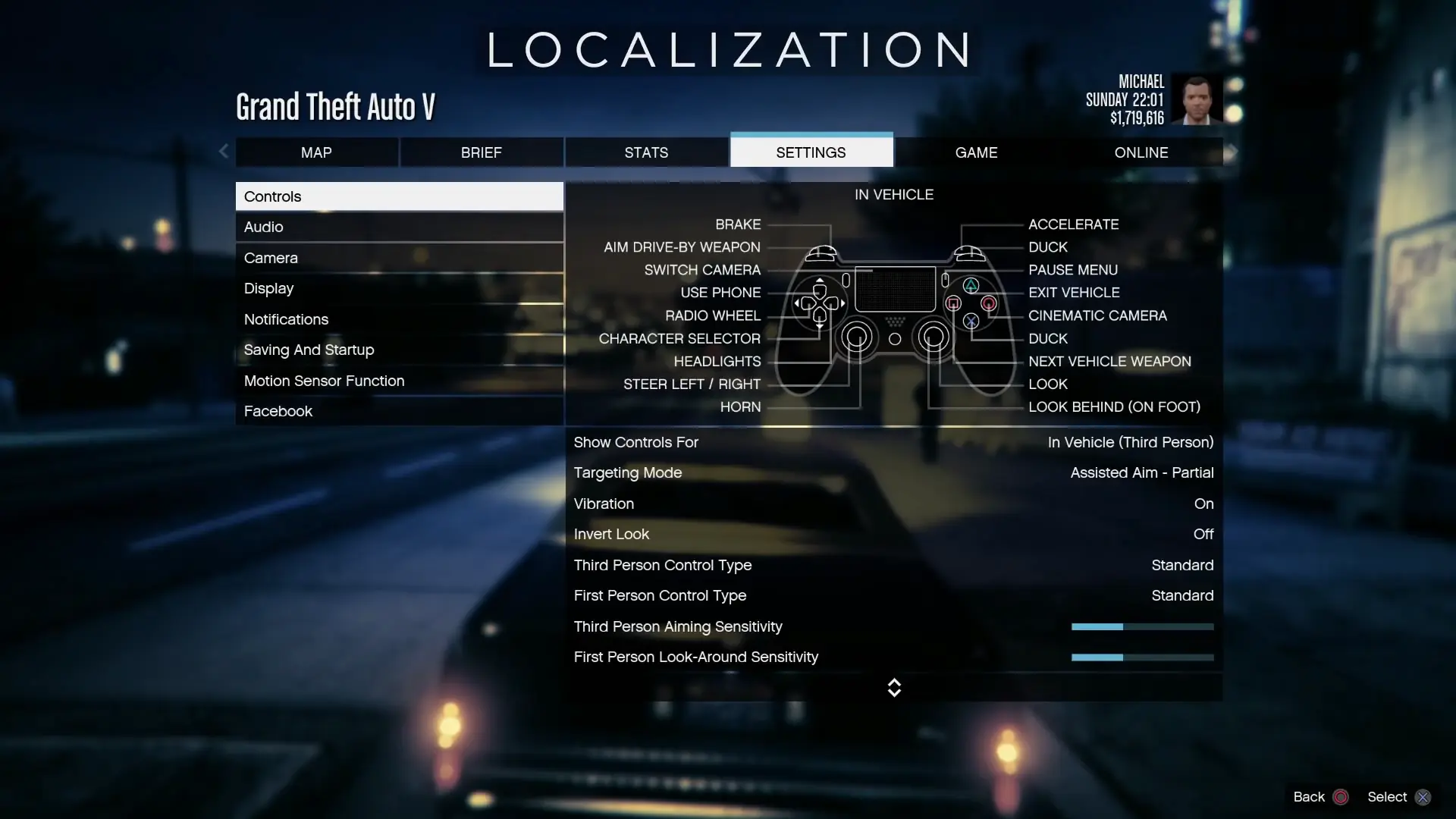
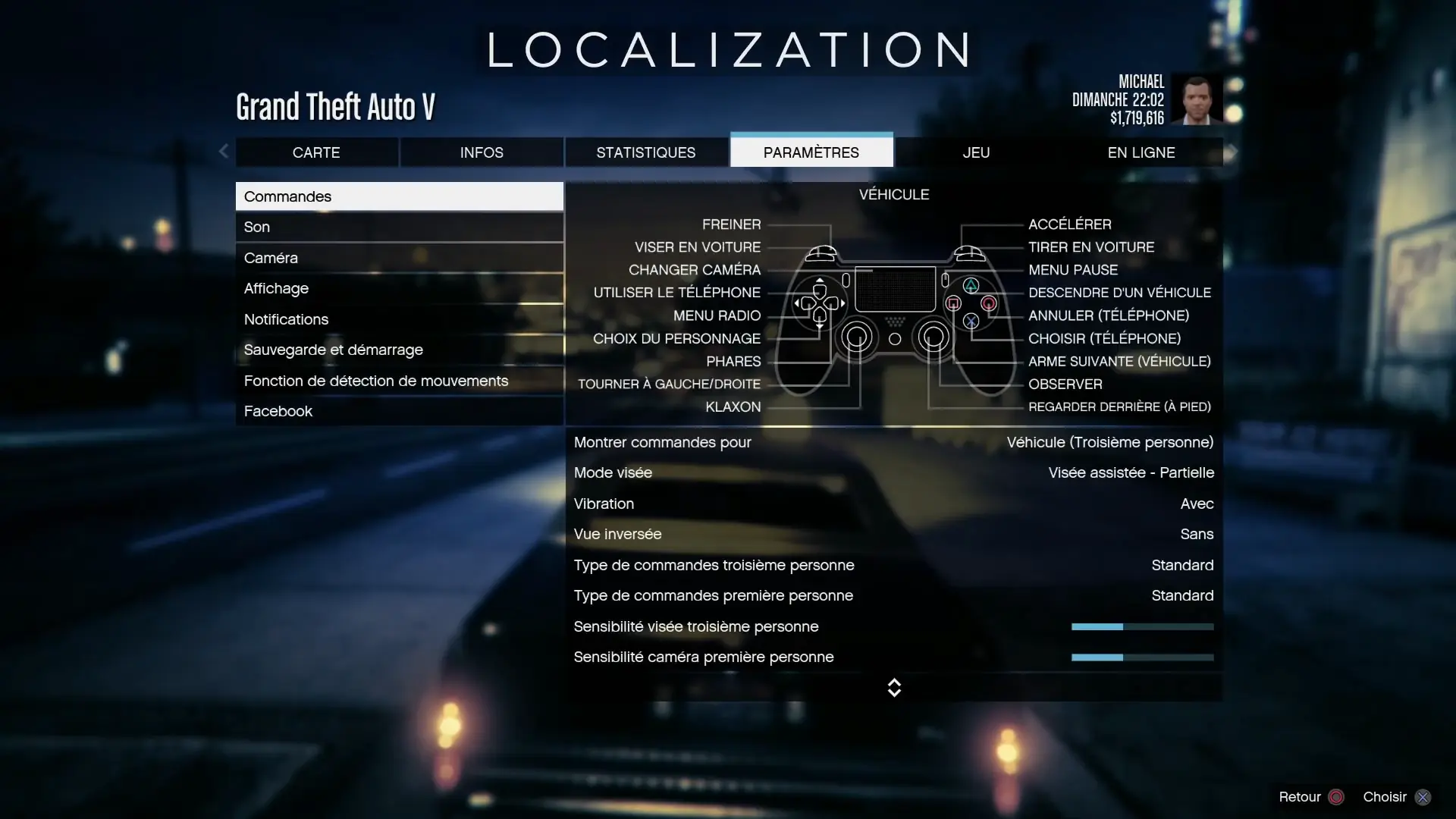
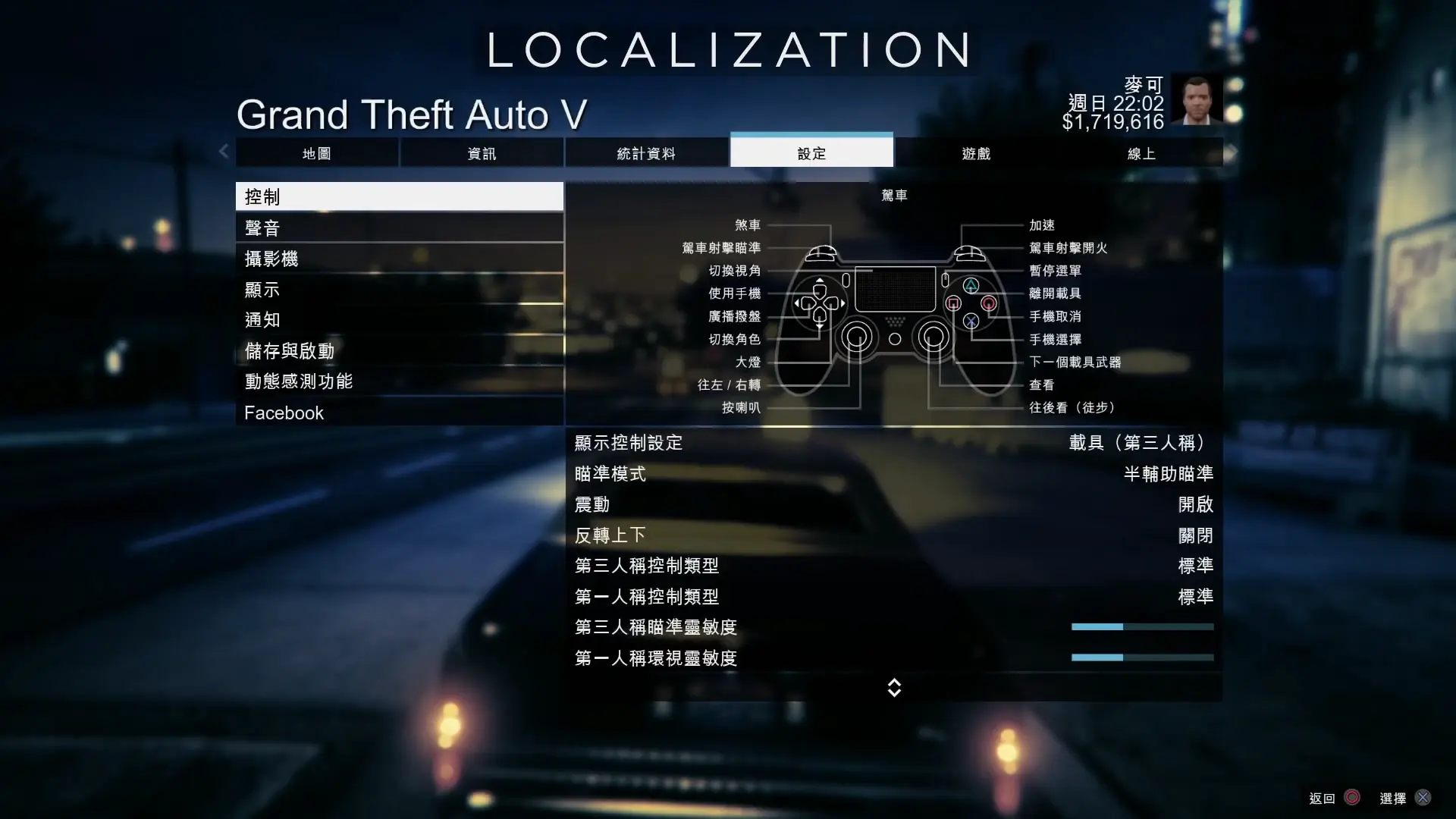
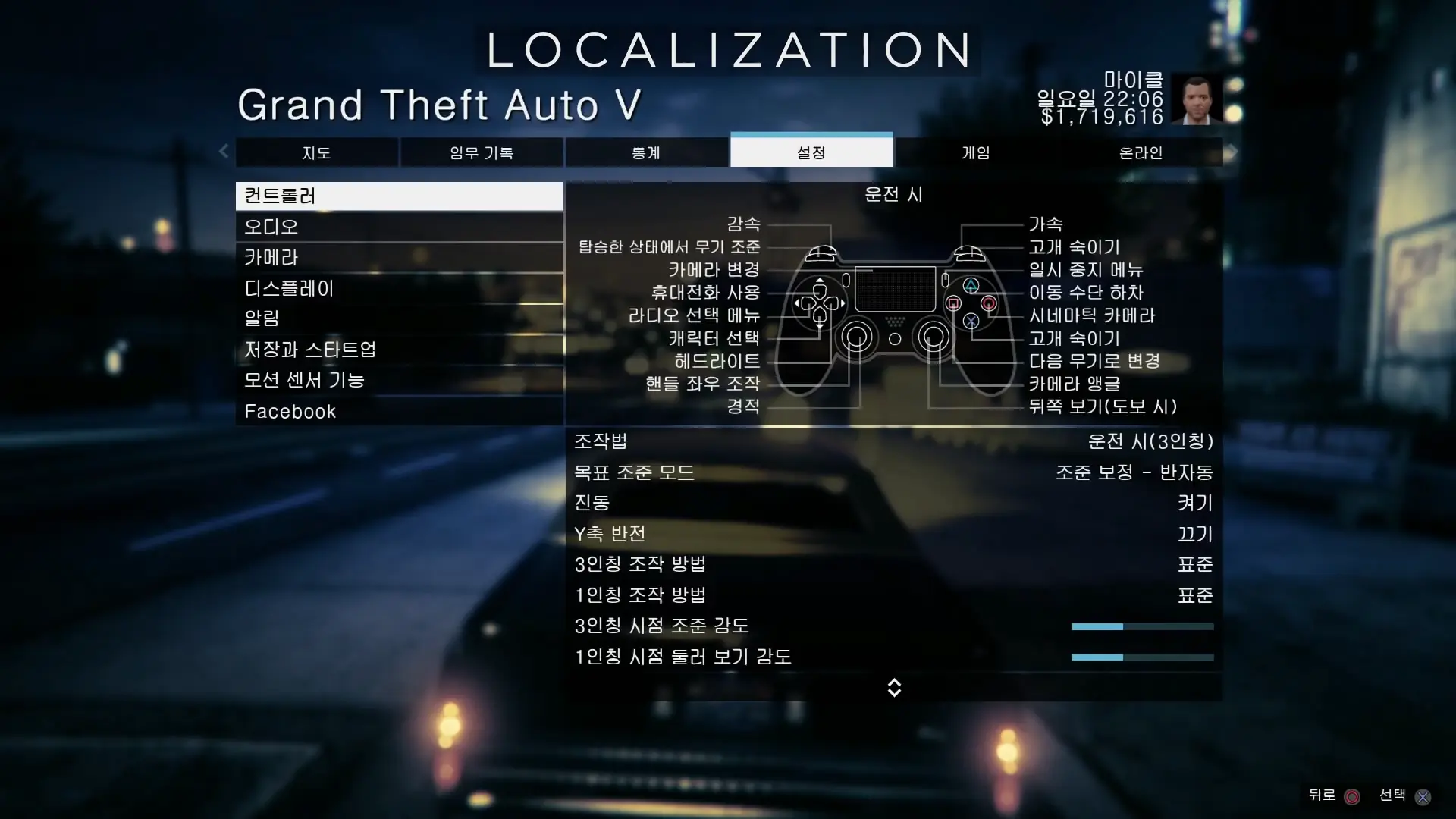
GTA V shipped in 13 languages, which required careful UI adaptation across minigames, system menus, and in-game services. I worked with engineering to adjust layouts and visual treatments while keeping the experience consistent and readable. This involved more than just translation. We had to account for text length, layout constraints, and typographic changes to support languages like Japanese, Russian, and Chinese. These updates helped make the game feel cohesive across a global audience.
Los Santos by Night
A Favorite Piece of GTAV Media
This video came out not long after the game’s release. It’s ambient shots of Los Santos set to a chill track, with no combat or chaos, just mood. My work isn’t in, but it remains my favorite piece of media from GTAV. It captures the world’s atmosphere and scale in a way that feels quiet, personal, expansive, and a little bit magical.